
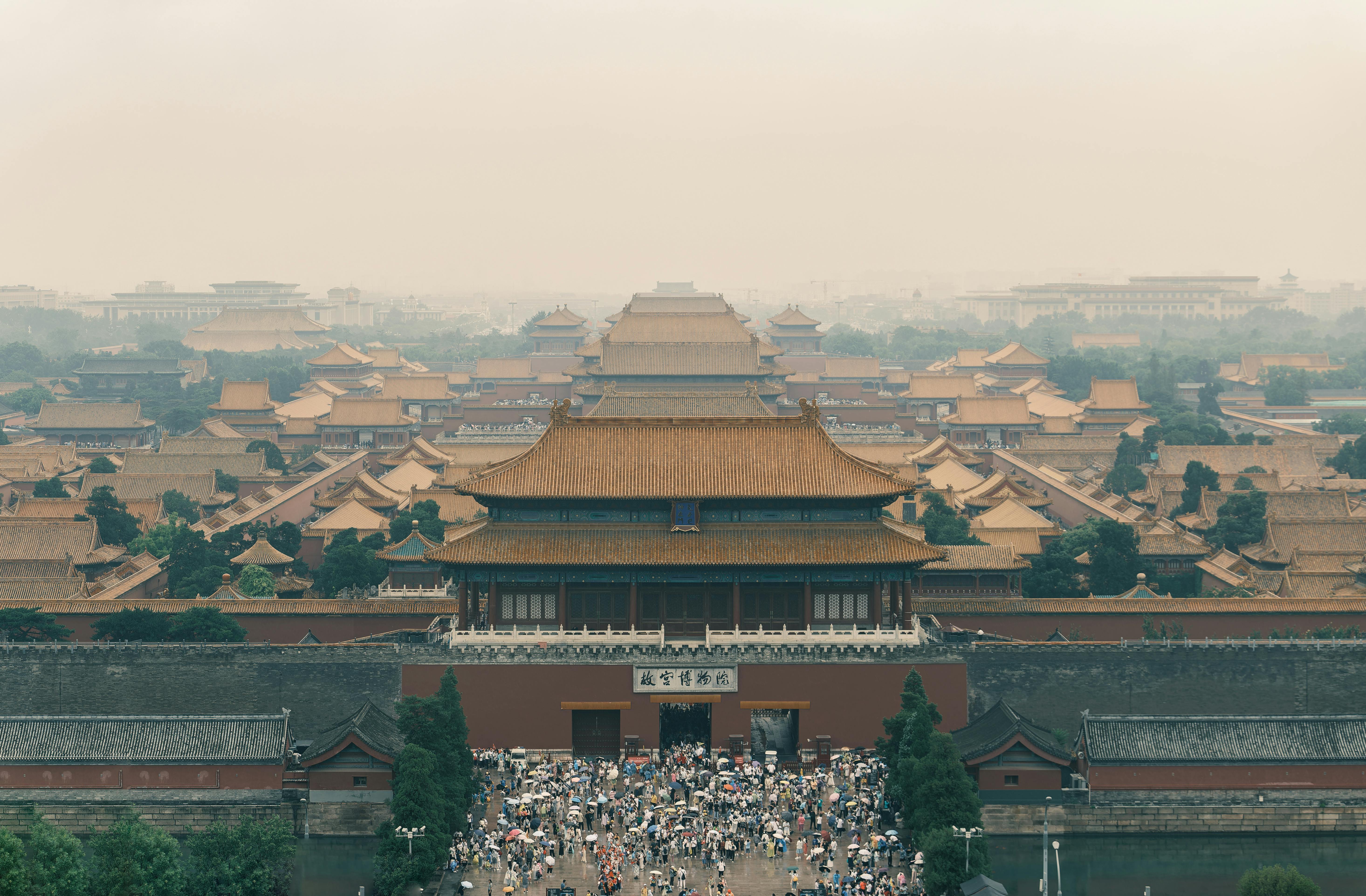
China
factsheet
An ancient civilization of dynasties, dragons, and deserts evolving into a hyper-modern powerhouse of megacities, high-speed rails, and endless cultural treasures.
The Essentials
Best Time
Apr - May, Sep - Oct
Currency
CNY (¥)
Climate
Ranging from Tropical to Sub-Arctic
Time Zone
UTC+8 (China Standard Time)
Language
Mandarin Chinese (Putonghua)
Visa
Pre-approved tourist visa / expanding visa-free list
Capital
Beijing
Population
≈1.4B
Calling Code
+86
Power Plug
Type A, C & I (220V)
Tipping
Not traditional; 5–10% in tourist-oriented places
Emergency
110 Police | 120 Ambulance | 119 Fire
History & Heritage
5,000 Years of Empire, Revolution, and Reform
Explore the top China tour package destination in 2026, which features the most famous destinations of China, including the Great Wall of China, the Forbidden City in Beijing, and the Terracotta Warriors in Xi'an. Our special China travel deals include adventure-oriented tours with experiences ranging from meeting the Giant Pandas in Chengdu to taking a luxury cruise on the Yangtze River to viewing the skyline of Shanghai. For your next family holiday or budget trip or even if you plan to enter China without a visa, choose China with our best international tour operator.
Neolithic Cultures & Early States (c. 5000–221 BCE)
Early cultures like Yangshao and Longshan along the Yellow River developed millet farming, pottery, and proto-writing, eventually giving rise to semi-legendary dynasties such as Xia, followed by historically attested Shang and Zhou. Feudal Zhou states fragmented into the Spring and Autumn and Warring States periods, setting the stage for imperial unification.
Qin Unification & Imperial Foundations (221–206 BCE)
Qin Shi Huang proclaimed himself First Emperor, unified warring states, standardized script, weights, and measures, and began construction of what became the Great Wall. Although short-lived, Qin institutions shaped two millennia of Chinese imperial governance.
Han Golden Age & Silk Road (206 BCE–220 CE)
The Han Dynasty consolidated centralized bureaucracy, expanded territory to Central Asia, and opened Silk Road trade routes linking China with the Mediterranean. Confucianism became the ideological backbone of the state, while paper-making and historical records flourished.
Tang–Song Flourishing (618–1279)
The Tang era saw cosmopolitan Chang’an, religious diversity (Buddhism, Daoism), and powerful poetry, while the Song period advanced printing, gunpowder weapons, and maritime trade. Urban life, commerce, and scholar-official culture matured into classical Chinese civilization.
Ming Walls & Qing Expansion (1368–1911)
The Ming restored Han Chinese rule, sponsored Zheng He’s massive maritime voyages, and rebuilt major sections of the Great Wall. The Qing, founded by Manchus, expanded China’s borders to Tibet, Xinjiang, and Inner Mongolia, creating much of modern China’s territorial shape before succumbing to internal rebellion and foreign pressures.
Republic, War, and Revolution (1912–1949)
The 1911 Revolution overthrew the Qing, establishing the Republic of China amid warlordism, Japanese invasion, and civil war between Nationalists and Communists. After 1945, civil war resumed and ended in 1949 with the founding of the People’s Republic of China on the mainland.
Reform & Opening to Global Power (1978–Present)
From 1978, economic reforms under Deng Xiaoping shifted China from a planned economy toward market-oriented growth, lifting hundreds of millions out of poverty and transforming cities like Shanghai and Shenzhen into global hubs. By 2024, China’s travel and tourism sector was forecast to reach a record ¥13.7 trillion, underscoring its role as a major global tourism and economic power.
Spotlight: The Bund & Pudong: Shanghai’s Time-Lapse Skyline
Shanghai’s Bund preserves early 20th‑century European-style banks and trading houses along the Huangpu River, facing Pudong’s futuristic skyline of the Oriental Pearl Tower, Shanghai Tower, and glass-and-steel skyscrapers. This riverside contrast showcases China’s leap from treaty-port semi-colony to global financial center in a single panoramic view.
Founding of PRC
1949
People’s Republic of China proclaimed on Oct 1, 1949
UNESCO Sites
50+ World Heritage Sites
Among the world’s highest counts
Inbound Tourists 2024
131.9M
Inbound arrivals, ~61% YoY growth and >90% of 2019 level
Foreign Tourists 2024
26.94M
Foreign (non–Hong Kong, Macao, Taiwan) visitors, up 96% YoY
Climate & Time
Time Zone
Standard
UTC+8 (China Standard Time)
Difference
2 hours 30 minutes ahead of IST (India Standard Time)
🎯 Best Months
April–May & September–October for most first‑time itineraries
Climate
The climate in China varies significantly by region, offering a diverse range of weather conditions from coastal areas to mountain peaks.
Spring
Mar – May
10–23°C (varies north to south)
Blossoms in Beijing and Xi’an, misty hills in Guilin and Hangzhou, and pleasant, dry weather in Shanghai and Chengdu make spring ideal for first‑time visitors.
Summer
Jun – Aug
25–35°C in lowlands; cooler on plateaus
Best time for high‑altitude destinations like Tibet, Xinjiang, Inner Mongolia grasslands, and Qinghai lakes, though major eastern cities can be hot, humid, and crowded with school holidays.
Autumn
Sep – Nov
10–22°C
Clear skies, comfortable temperatures, and golden foliage along the Great Wall, in Beijing’s parks, and around West Lake in Hangzhou make autumn widely considered the best all‑round travel season.
Winter
Dec – Feb
-10–10°C (colder in north, milder in south)
Winter brings Harbin’s Ice and Snow Festival, fewer crowds at major sights, and good value in most cities, though northern China can be very cold and parts of Tibet/Xinjiang harsh.
Seasonal Packing List
Language Guide
Official Language
Standard Mandarin Chinese (Putonghua)
Mandarin is the national lingua franca and is widely spoken in cities and transport hubs, while regional dialects such as Cantonese (Guangdong, Hong Kong), Shanghainese, and Sichuanese remain strong locally. English proficiency varies—higher among younger people and in major tourist areas, but more limited in smaller cities and rural regions, so translation apps are useful.
Local Signage
Essential Phrases
Hello
你好 (Nǐ hǎo)
Thank you
谢谢 (Xièxie)
Goodbye
再见 (Zàijiàn)
Yes / No
是 / 不是 (Shì / Bú shì)
Please
请 (Qǐng)
Excuse me / Sorry
不好意思 (Bù hǎo yìsi)
How much?
多少钱? (Duōshǎo qián?)
Where is...?
...在哪儿? (...Zài nǎr?)
Currency & Money
Official Currency
Renminbi (Chinese Yuan)
¥ (CNY)
Exchange Rates
Denominations
Banknotes
¥1, 5, 10, 20, 50, 100
Coins
¥1; 5, 10 jiao
Culture & Vibes
Confucian roots, Buddhist and Daoist spirituality, and hyper‑modern urban life woven into a deeply family‑centered, ritual‑rich society.
"Chinese culture balances continuity and change: Confucian ideals of filial piety and social harmony coexist with rapid urbanization, e‑commerce, and high‑speed rail, while festivals like Spring Festival and Mid‑Autumn still anchor the year. Tea ceremonies, calligraphy, martial arts, and regional opera traditions continue alongside K‑pop, smartphones, and global fashion."
Respect for Elders & Hierarchy
Elders and senior people in a group are greeted first, offered the best seat, and often served first at meals, reflecting Confucian values of hierarchy and filial piety.
Shared Dishes & Table Manners
Meals are served family‑style with shared dishes in the middle; using serving spoons and not sticking chopsticks upright in rice (which resembles funeral incense) is important etiquette.
Face (Miànzi) & Indirectness
Maintaining others’ dignity—avoiding public criticism or confrontation—is vital, so disagreements are expressed subtly and compliments offered generously.
Temples & Sacred Sites
At Buddhist, Daoist, or Confucian temples, modest clothing, quiet voices, and no photography in inner halls (where prohibited) show respect.
Essential Dos
- • Use two hands when giving or receiving important items like business cards or gifts.
- • Try local greetings such as a slight nod and smile; handshakes are common in business settings.
- • Accept offers of tea or small snacks; sampling at least a little is polite.
- • Compliment hosts on food and hospitality; they take pride in providing abundantly.
- • Learn and use a few Mandarin phrases; even simple 'nǐ hǎo' and 'xièxie' are appreciated.
- • Queue patiently in official lines (subways, attraction entrances) even if others push.
- • Carry a small gift when invited to a home, such as fruit, tea, or sweets.
Essential Don'ts
- • Don’t discuss highly sensitive politics (e.g., Taiwan, Xinjiang, Tibet) in public conversations.
- • Don’t write someone’s name in red ink; historically associated with death notices.
- • Don’t tap chopsticks on bowls or stick them upright in rice.
- • Don’t openly criticize hosts, food, or country; raise issues privately and gently if needed.
- • Don’t point directly at people with your finger; gesture with an open hand instead.
- • Don’t touch religious statues or offerings in temples without permission.
- • Don’t expect direct 'no' answers; phrases like 'it’s inconvenient' often mean refusal.
Specific Etiquette
Gifting Etiquette
Red and gold wrapping are auspicious; avoid clocks, green hats, and four‑item sets, which carry negative associations. Gifts may be politely declined once or twice before being accepted.
Dining Etiquette
The host or eldest often orders shared dishes; guests wait for elders or senior guests to lift chopsticks first, and leaving a small amount of food may indicate you are full.
Business Etiquette
Meetings start with small talk and tea before business, business cards are exchanged with both hands, and punctuality is expected especially in major cities.
Eight Great Cuisines & Iconic Dishes
Chinese cuisine spans light Cantonese steaming, fiery Sichuan peppercorns, refined Huaiyang knife work, and hearty northern wheat dishes, forming a culinary map often summarized as the 'Eight Great Cuisines.' Eating is communal and social, with shared dishes, regional specialties, and food rituals at the heart of festivals and family life.
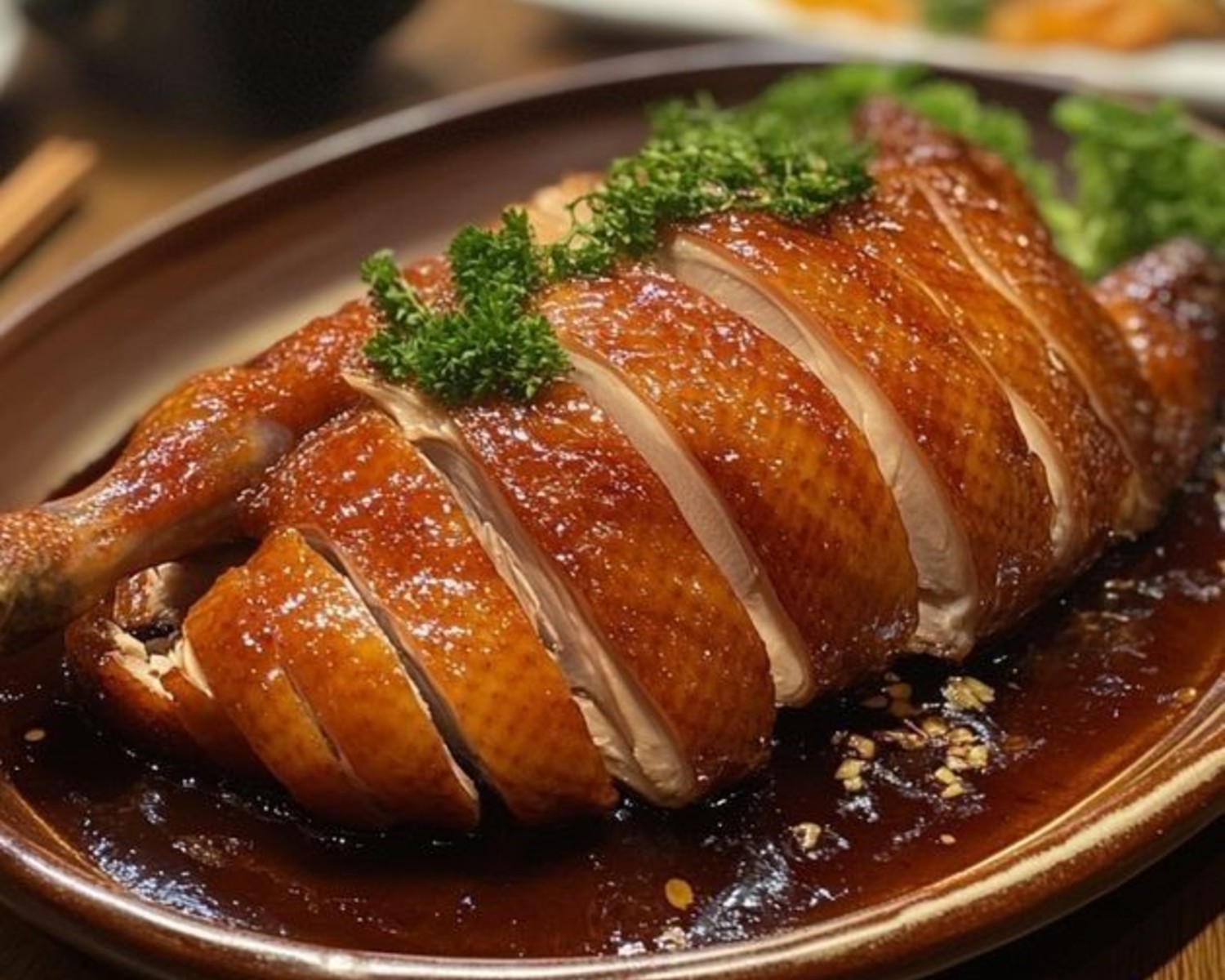
Peking Duck (Beijing)
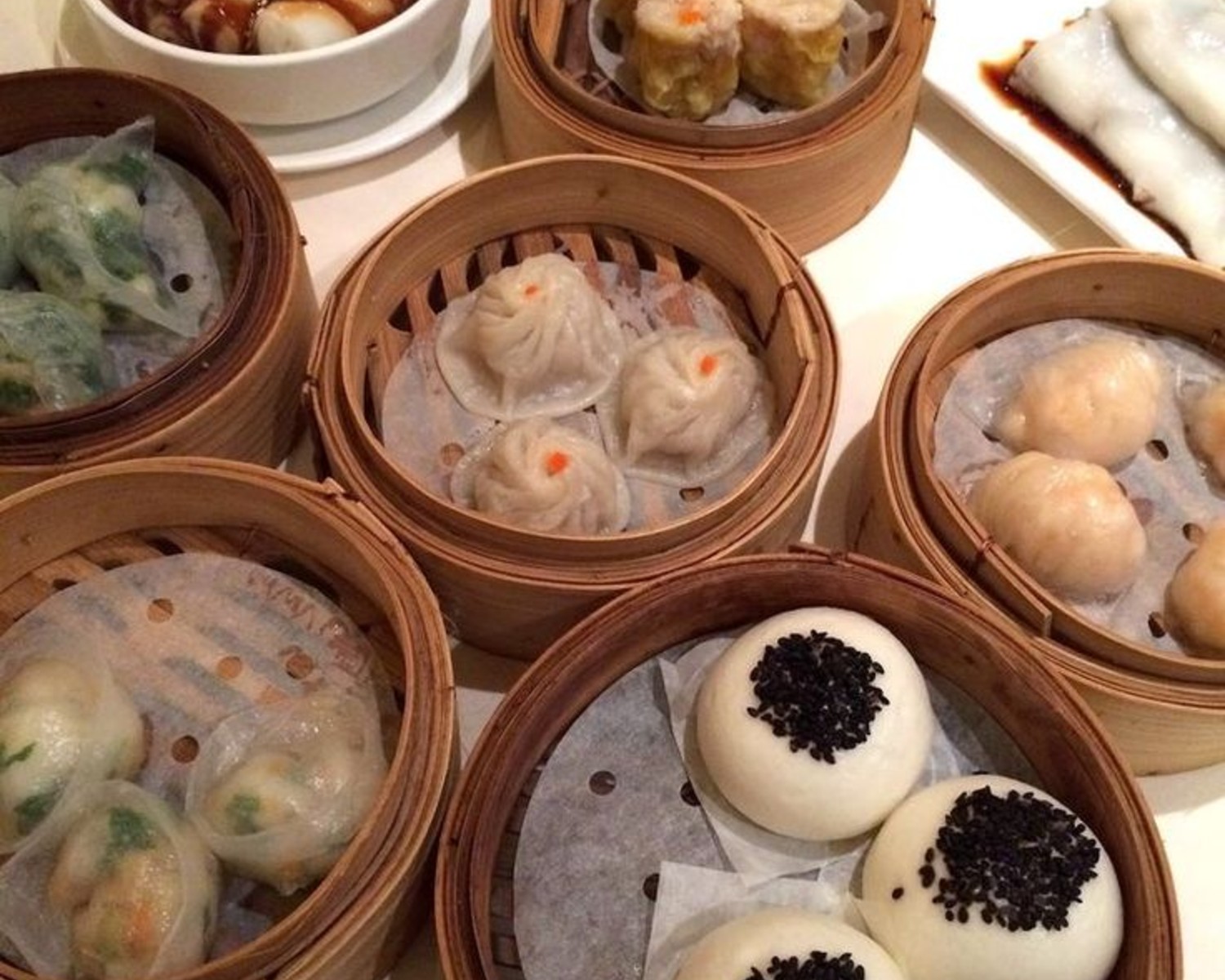
Dim Sum (Guangdong & Hong Kong)
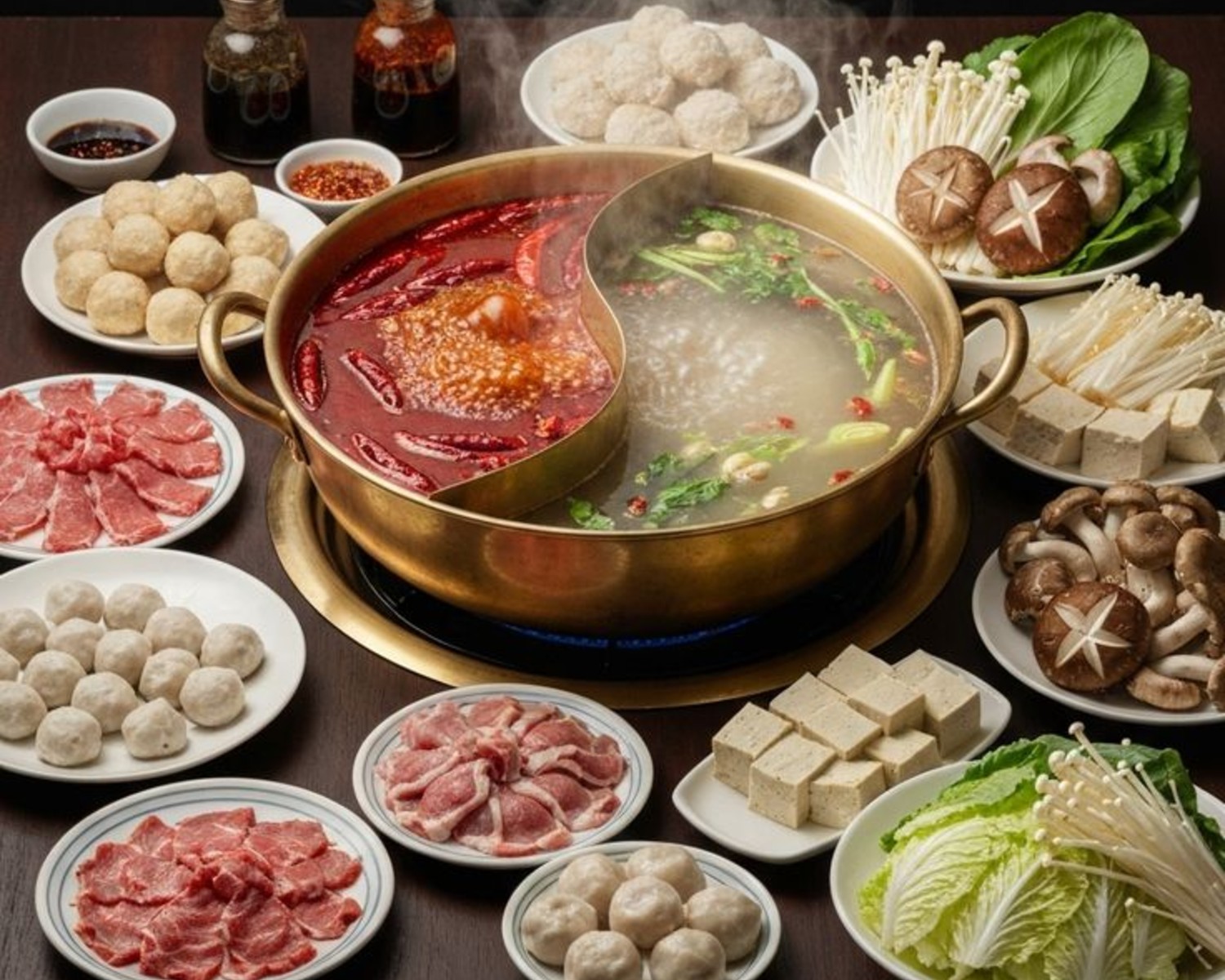
Hotpot (Huǒguō)
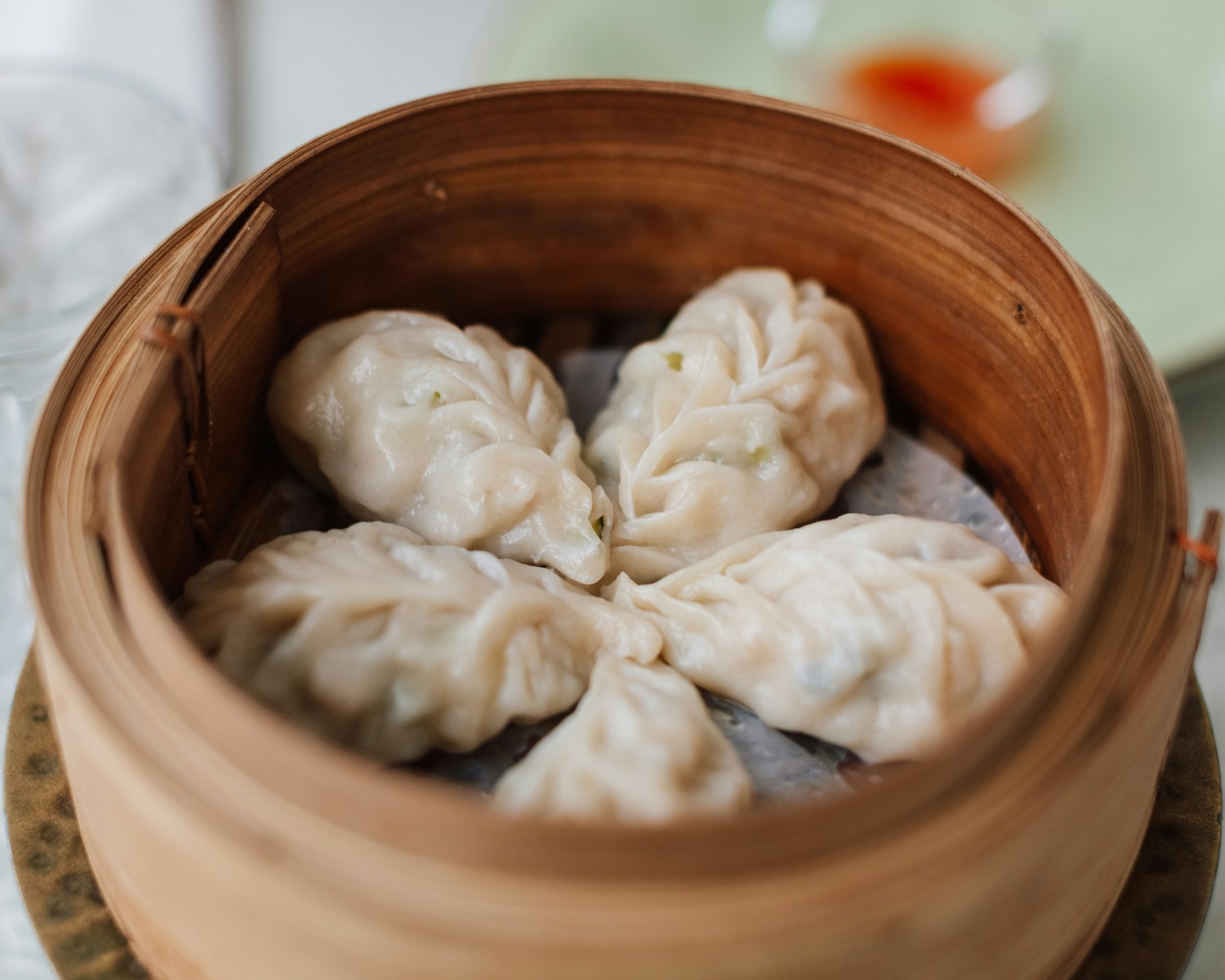
Xiaolongbao (Soup Dumplings)
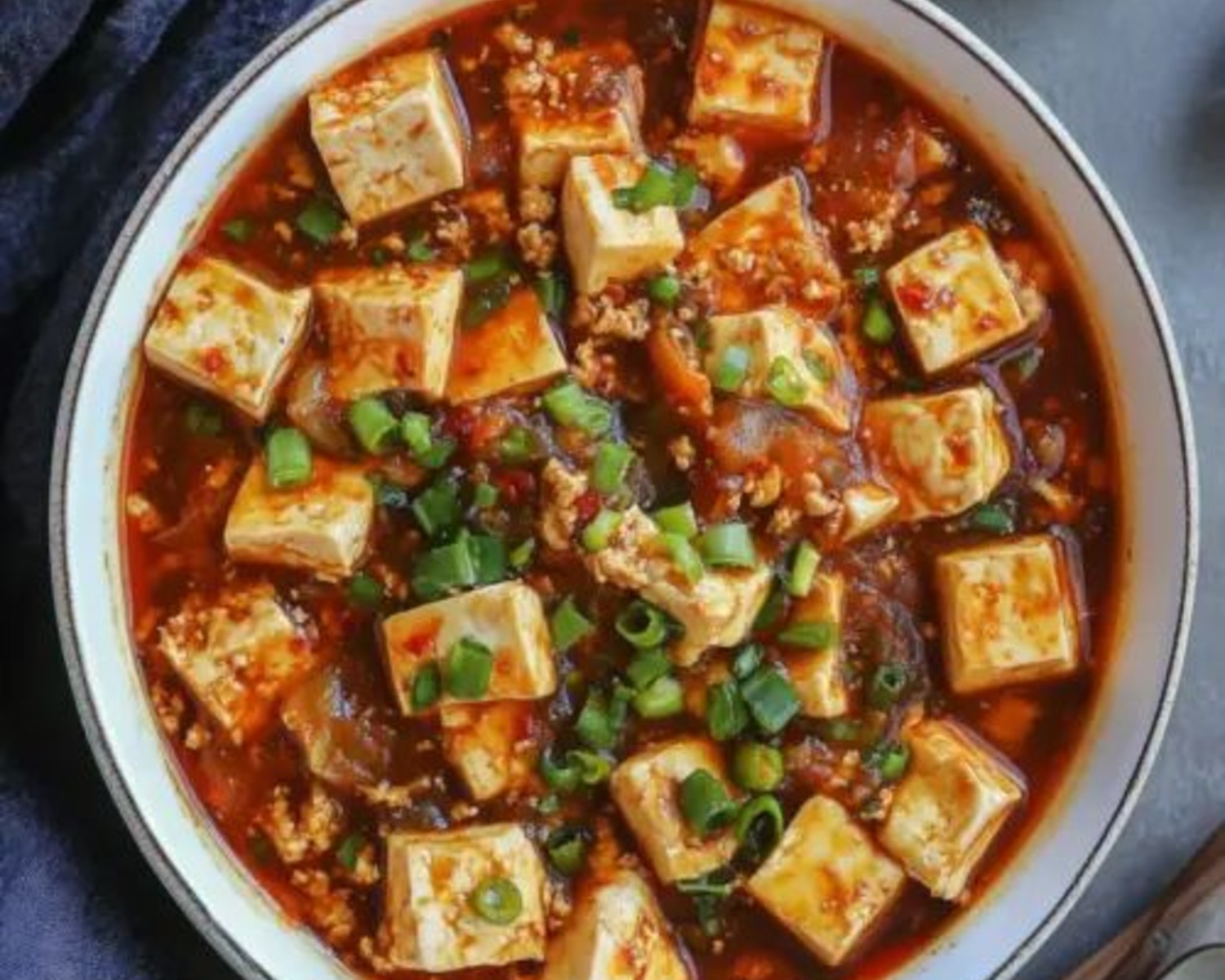
Mapo Tofu (Sichuan)
Lanzhou Beef Noodles
Cantonese Roast Meats
Where to Eat
Street Stalls & Night Markets
From Chengdu’s skewers and Xi’an’s Muslim Quarter to Guilin rice noodles, street food offers inexpensive, atmospheric access to regional flavors.
Local Family Restaurants
Small neighborhood eateries serve regional home‑style dishes at moderate prices and are ideal for tasting everyday cooking.
Specialty & Banquet Restaurants
Beijing duck houses, hotpot chains, and high‑end Cantonese or Huaiyang restaurants showcase refined techniques and are common choices for celebrations or business.
Hotel & Mall Food Courts
Large malls and hotels in big cities host clean, convenient food courts and international options, useful for families or those easing into local cuisine.
Dining Etiquette
- •Expect shared dishes rather than individual plates; try a bit of everything before taking seconds.
- •Use chopsticks carefully, never pointing with them or leaving them upright in bowls.
- •At banquets, the host often pours drinks and initiates toasts; responding with your own toast shows appreciation.
- •Refills of tea or dishes without asking are signs of good hospitality, not attempts to upsell.
- •In many local restaurants, payment is made at the front counter rather than at the table.
Signature Drinks
Shop & Bring Home
China’s shopping spectrum runs from traditional silk markets and antique alleys to flagship tech stores and designer malls, reflecting both historical crafts and modern consumer culture.
Silk, Tea & Porcelain
- Hangzhou Silk Scarves
- Yixing Teapots
- Jingdezhen Porcelain
- Longjing Green Tea
Traditional Crafts
- Paper-Cuttings
- Cloisonné Enamelware
- Shadow Puppets
- Calligraphy Brushes & Inkstones
Snacks & Regional Specialties
- Xi’an Roujiamo Spice Packs
- Sichuan Peppercorns
- Dried Fruits & Nuts from Xinjiang
- Mooncakes (seasonal)
Modern Goods
- Electronics & Gadgets
- Chinese Fashion & Streetwear
- Pop Culture Merchandise
- Stationery & Art Supplies
Where to Shop (Local Hubs)
Beijing Wangfujing & Panjiayuan
Shopping Street & Antiques
"Wangfujing offers mainstream shops and snacks; Panjiayuan weekend market sells antiques, crafts, and curios (bargaining common)."
Shanghai Nanjing Road & Tianzifang
Flagships & Creative Boutiques
"Nanjing Road is lined with big brands, while Tianzifang’s alleyways host design studios, cafés, and craft shops."
Chengdu & Xi’an Old Quarters
Souvenirs & Food
"Chengdu’s Wide & Narrow Alleys and Xi’an’s Muslim Quarter sell snacks, spices, and small souvenirs in vibrant settings."
Modern Malls Nationwide
Climate-Controlled Shopping
"Malls in all major cities combine shopping, dining, cinemas, and kids’ zones, often connected to metro stops."
On the Move
Inbound Tourists 2024
131.9M
Inbound arrivals recovered to >90% of 2019 levels with 61% YoY growth.
High-Speed Rail
40,000+ km
World’s largest high‑speed rail network linking most major cities in 2–8 hours.
Top Gateways
Shanghai, Beijing, Shenzhen, Guangzhou
Each receives several million inbound tourists annually and offers extensive onward connections.
Airport Arrival
Main international gateways include Beijing Capital/Daxing, Shanghai Pudong, Guangzhou Baiyun, Shenzhen Bao’an, Chengdu, and Hong Kong, all with direct links to city centers via metro, airport express trains, or airport buses.
Travel Tech
Travel Tips
Book high‑speed rail tickets early on busy routes and holidays using the 12306 app or agents.
Avoid traveling during Golden Week holidays (early Oct and around Chinese New Year) when transport and attractions are extremely crowded.
Keep your passport handy for train, flight, and many hotel check‑ins, as ID checks are routine.
Have hotel names and key addresses saved in Chinese characters for taxi and Didi drivers.
Use offline map downloads and translation apps, as connectivity can be patchy in some rural or underground areas.
Intercity Travel
High-Speed Trains (G/D Trains)
Fast, frequent trains connect Beijing–Shanghai (~4.5 h), Shanghai–Xi’an (~6 h), Guangzhou–Guilin (~2.5 h), and more, offering comfortable, scenic alternatives to flying.
Conventional Trains
Overnight sleeper trains remain a cost‑effective way to cover long distances while saving on hotel nights and experiencing local travel.
Domestic Flights
Airlines connect major cities and remote regions like Tibet, Xinjiang, and Hainan; competitive fares and dense schedules link tier‑1 and tier‑2 cities.
Long-Distance Buses
Useful for smaller towns not served by rail, though less comfortable than trains and less English-friendly.
BakıKart
China’s integrated transport network includes extensive metro systems in major cities, one of the world’s largest high‑speed rail grids, and plentiful app‑based taxis for seamless intercity and in‑city movement.
Visa Entry
China Visa & Visa-Free Policies
Most travelers need a pre-approved visa from a Chinese consulate, but China has expanded visa-free entry and transit schemes in 2024–2025 to boost inbound tourism.
Check current visa requirements and visa-free lists on official embassy or consulate websites.
Prepare passport, recent photo, flight itinerary, and hotel confirmations matching your planned dates.
Fill out the online visa application form and schedule an appointment at a Chinese Visa Application Service Center or consulate.
Submit documents, pay visa fee, and provide biometric data if required.
Collect passport with visa or use mail-back services where available.
For eligible travelers, consider 72/144-hour transit without visa options, ensuring onward ticket and route meet local rules.
Registration
Penalty: Failure to register can result in warnings, fines, or complications when departing or applying for future visas.
Entry Requirements
- • Passport valid for at least 6 months beyond intended departure date.
- • Completed visa application form with accurate information.
- • Recent passport-style color photo meeting specified requirements.
- • Confirmed round-trip or onward flight bookings.
- • Proof of accommodation for each night (hotels or invitation letter).
- • Travel insurance recommended even when not mandatory.