
Egypt
factsheet
Land of the Pharaohs where timeless wonders rise from golden sands, ancient mysteries whisper along the Nile, and 5,000 years of civilization blend seamlessly with modern magic.
The Essentials
Best Time
Oct - Apr
Currency
EGP (₨)
Climate
Desert to Mediterranean
Time Zone
UTC+2 (EET)
Language
Arabic, English
Visa
E-Visa / Tourist Visa
Capital
Cairo
Population
≈104M
Calling Code
+20
Power Plug
Type C, F & H (220V)
Tipping
10% in restaurants; appreciated but not mandatory
Emergency
999 Police | 123 Fire | 999 Ambulance
History & Heritage
Five Millennia of Civilization: From Pharaohs to Modernity
Egypt stands as humanity's oldest continuous civilization, with 5,000+ years of documented history centered on the Nile River—the world's longest river flowing through the world's largest desert. From the pyramid-building Old Kingdom through the imperial New Kingdom, from Alexander's conquest to Islamic dynasties, Egypt has shaped human culture, religion, art, and technology in ways unmatched by any nation. Today, Egypt remains a global center for tourism, archaeology, and spirituality, where ancient temples stand beside modern cities
Predynastic Egypt & Nile Settlement (c. 6000–3100 BCE)
Nomadic hunter-gatherers along the Nile gradually transformed into agricultural societies, harnessing the river's annual flooding to create the world's first hydraulic civilization. The predictable floods ensured surplus crops, supporting population growth and the development of writing, centralized government, and monumental architecture.
Old Kingdom: Age of Pyramids (2686–2181 BCE)
The world's first pharaonic dynasty unified Upper and Lower Egypt under divine kingship. During this era, the Great Pyramids of Giza—among the Seven Wonders of the Ancient World—were constructed as eternal resting places for pharaohs. The engineering, mathematics, and organizational power required remain unsurpassed in pre-industrial history.
Middle Kingdom: Classical Prosperity (2055–1650 BCE)
After a period of fragmentation, Egypt reunified under strong pharaohs who expanded territories, built temples, and established legal codes. Classical Egyptian culture flourished with literature, art, and architecture reaching heights of sophistication.
New Kingdom: Imperial Egypt (1549–1069 BCE)
Egypt achieved its greatest territorial extent and cultural influence under pharaohs like Tuthmosis III and Ramesses II. The Valley of the Kings became a pharaonic necropolis; Luxor's temples dominated the Nile; Nubia and Syria paid tribute. Tutankhamun's intact tomb, discovered in 1922, revealed treasures that revolutionized archaeology.
Hellenistic & Islamic Eras (332 BCE–1517 CE)
Alexander the Great conquered Egypt (332 BCE), ushering in the Ptolemaic dynasty and Greek influence. The Copts preserved Christianity; Islam arrived in the 7th century CE, transforming Egypt's cultural and religious landscape. Islamic Cairo flourished with mosques, madrasas, and bazaars.
Modern Egypt & Independence (1882–Present)
After Ottoman rule and British colonization, Egypt gained independence in 1952 under Gamal Abdel Nasser. Today, Egypt welcomes nearly 19 million tourists annually (2025), making it a global tourism powerhouse.
Spotlight: The Great Sphinx of Giza: Guardian of Ancient Mysteries
Carved from a single limestone plateau around 2500 BCE, the Great Sphinx—a mythical creature with a pharaoh's head and lion's body—is the world's largest monolith statue at 66 meters long. For 4,500 years, it has guarded the Giza Plateau, its weathered face symbolizing the persistence of pharaonic Egypt. Its origins, purpose, and construction methods remain subjects of intense archaeological debate, maintaining its mystique as one of humanity's greatest unsolved engineering mysteries.
Oldest Civilization
5,000+ Years
Documented history since 3100 BCE
Tourists (2025)
19 Million
21% increase from 2024; growing market
Tourism Revenue
$15.3 Billion
2024; vital economic driver
UNESCO Sites
8 World Heritage Sites
Including Giza, Luxor, Abu Simbel
Climate & Time
Time Zone
Standard
UTC+2 (EET - Eastern European Time)
Difference
2.5 hours behind IST (India Standard Time)
🎯 Best Months
October–April (Peak); May–September (Budget; extreme heat)
Climate
The climate in Egypt varies significantly by region, offering a diverse range of weather conditions from coastal areas to mountain peaks.
Peak Winter (Ideal)
Oct – Apr
15–28°C (perfect)
The best and busiest season for tourism. Clear skies, mild temperatures ideal for Nile cruises, desert exploration, and temple visits. November–February especially pleasant. Abu Simbel Sun Festival (February) attracts pilgrims. Book early; hotels full.
Spring (Variable)
Mar – May
20–35°C (warming)
March–April comfortable; late May becomes hot (35°C+). Occasional rainfall in northern regions. Ramadan (dates vary yearly) impacts dining hours. Less crowded than winter; budget-friendly. Late April–May offers 'shoulder season' deals.
Summer (Extreme Heat)
Jun – Aug
30–45°C (blistering)
Intense, dry heat; brutal daytime temperatures (40–45°C). Highly discouraged for outdoor sightseeing; most activities indoor (museums, covered bazaars) or early morning. Nile cruises ideal due to ship air-conditioning. Cheapest season; fewest tourists. Khamsin winds bring sandstorms.
Autumn (Transitional)
Sep – Oct
25–38°C (cooling)
September still hot (35–38°C); October cooling (25–32°C) as peak season approaches. Late September–October offers good value and improving weather. Fewer crowds than winter but rising temperatures.
Seasonal Packing List
Language Guide
Official Language
Arabic (Modern Standard Arabic & Egyptian Arabic Dialect)
Arabic is Egypt's official language; Egyptian Arabic dialect (colloquial) differs significantly from formal Arabic and is widely spoken. English proficiency is high in tourism sectors, hotels, and among youth in Cairo, but limited in rural areas and small towns. Learning basic Arabic phrases greatly endears you to locals.
Local Signage
Essential Phrases
Peace Be Upon You (Hello)
As-salam alaikum (السلام عليكم)
Good Morning
Sabah al-khair (صباح الخير)
Thank You
Shukran (شكراً)
Yes / No
Aywa / La (أيوه / لا)
Please
Min fadlak (من فضلك)
Excuse Me / Sorry
Aasif (آسف)
How much?
Beekam? (بكام؟)
Where is...?
Fein...? (فين)
Currency & Money
Official Currency
Egyptian Pound
₨ (EGP)
Exchange Rates
Denominations
Banknotes
₨5, 10, 20, 50, 100, 200, 500
Coins
1, 5, 10, 25 Piasters; ₨1
Culture & Vibes
Warm Islamic Hospitality, Ancient Spiritual Reverence, & Vibrant Social Life
"Egyptian culture is deeply rooted in Islam (90% Muslim), with strong family values, ancient spiritual traditions, and legendary hospitality grounded in Quranic teachings. Egyptians treat strangers as guests sent by divine blessing; sharing meals, offering tea, and welcoming foreigners into homes are sacred duties. Contemporary Egypt balances Islamic conservatism with cosmopolitan openness, ancient pharaonic pride with modern aspirations, creating a uniquely Egyptian identity."
Islamic Greetings & Respect
Greet with 'As-salam alaikum' (Peace be upon you); respond with 'Wa alaikum assalam' (And upon you be peace). Stand to greet elders and senior figures. Respect prayer times (five daily calls to prayer); shops may close briefly. Remove shoes when entering homes and mosques.
The Sacred Ritual of Hospitality
Accepting offered tea, coffee, or refreshments is essential—refusing is insulting. Even a few sips shows respect and friendship. Egyptians say guests bring blessings; treating them lavishly is Quranic duty.
Religious Sites & Modesty
Dress modestly: men shoulder-to-knee; women wrist-to-ankle (head covering for women in mosques). Remove shoes; never photograph prayers. Don't enter inner sanctums without permission. Respect Ramadan (Muslims fast dawn-to-sunset); avoid eating publicly in conservative areas.
Family & Social Hierarchy
Family is sacred; elders deeply respected. Public displays of disrespect toward parents/elders are taboo. Use formal titles (Mr., Mrs.) until invited to use first names.
Essential Dos
- • Remove shoes when entering homes and mosques; hosts will provide slippers.
- • Accept tea, coffee, and hospitality graciously; refusal is insulting.
- • Greet with 'As-salam alaikum' and embrace warmth; Egyptians love friendly interaction.
- • Use right hand for eating, giving, and receiving food—it's deeply important.
- • Bring small gifts (pastries, tea, sweets) when invited to homes; always appreciated.
- • Compliment Egyptian hospitality, cuisine, and culture; locals take immense pride.
- • Dress modestly, especially in bazaars and religious areas; shows respect.
- • Haggle and bargain at bazaars; it's expected and culturally enjoyable.
Essential Don'ts
- • Don't refuse food, tea, or hospitality offered by locals; it's deeply insulting.
- • Don't eat, drink, or smoke openly in public during Ramadan fasting hours (dawn-sunset).
- • Don't point feet at people or religious statues while sitting; extremely disrespectful.
- • Don't use left hand for eating or receiving food—considered unclean.
- • Don't photograph people without explicit permission; especially women.
- • Don't display public affection (kissing, holding hands); inappropriate in conservative areas.
- • Don't criticize Islam, Egypt, or government in public.
- • Don't wear revealing clothing (short shorts, sleeveless, see-through) in temples, mosques, or bazaars.
Specific Etiquette
Gifting Etiquette
Bring gifts to homes (pastries, tea, quality dates, sweets). Gifts presented with both hands. Avoid knives (cutting friendship), clocks (death), handkerchiefs (tears). Odd-numbered bouquets (1, 3, 5) signify happiness; even numbers for funerals.
Business Etiquette
Business cards exchanged formally with both hands. Meetings begin with tea. Relationships prioritized over immediate business. Respect hierarchy. Punctuality increasingly valued in modern Cairo but more relaxed in villages.
Dining Etiquette
Meals are communal; eat with right hand from shared dishes. Wait for host to start. Try every dish served—showing appreciation. Share from communal plates (mezze). Finishing plates shows respect. Never waste food. Remove shoes when invited to homes.
Ancient Tastes of the Nile: Falafel, Koshari & Timeless Traditions
Egyptian cuisine, nourished by the Nile's fertile valley for 5,000+ years, blends Middle Eastern, Mediterranean, and North African flavors with legumes, vegetables, and aromatic spices. Street food dominates daily life; koshari (Egypt's national dish) and ful medames (ancient fava bean dish) sustain millions daily. Meals are social, communal, and deeply traditional—eaten with right hand from shared platters.
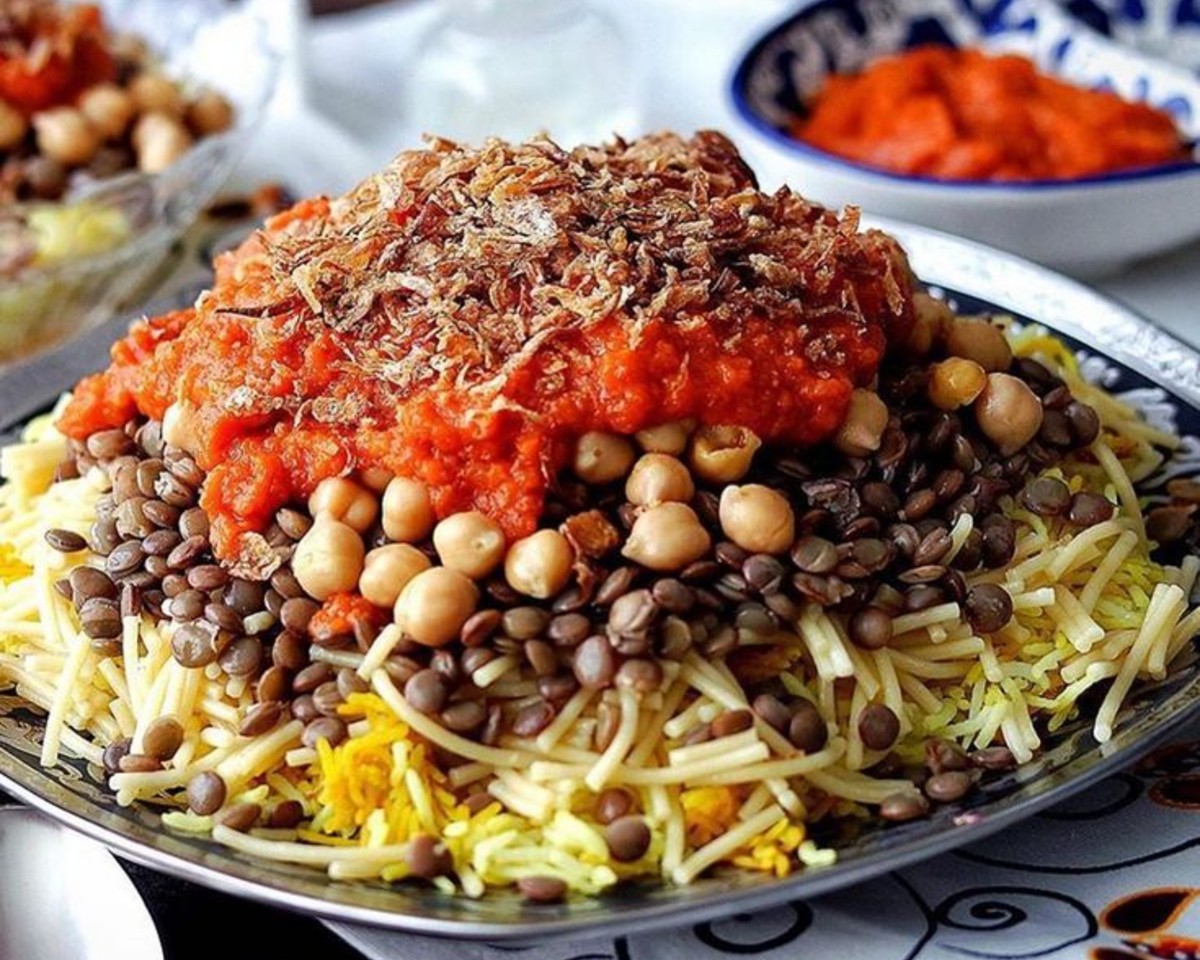
Koshari (National Dish)
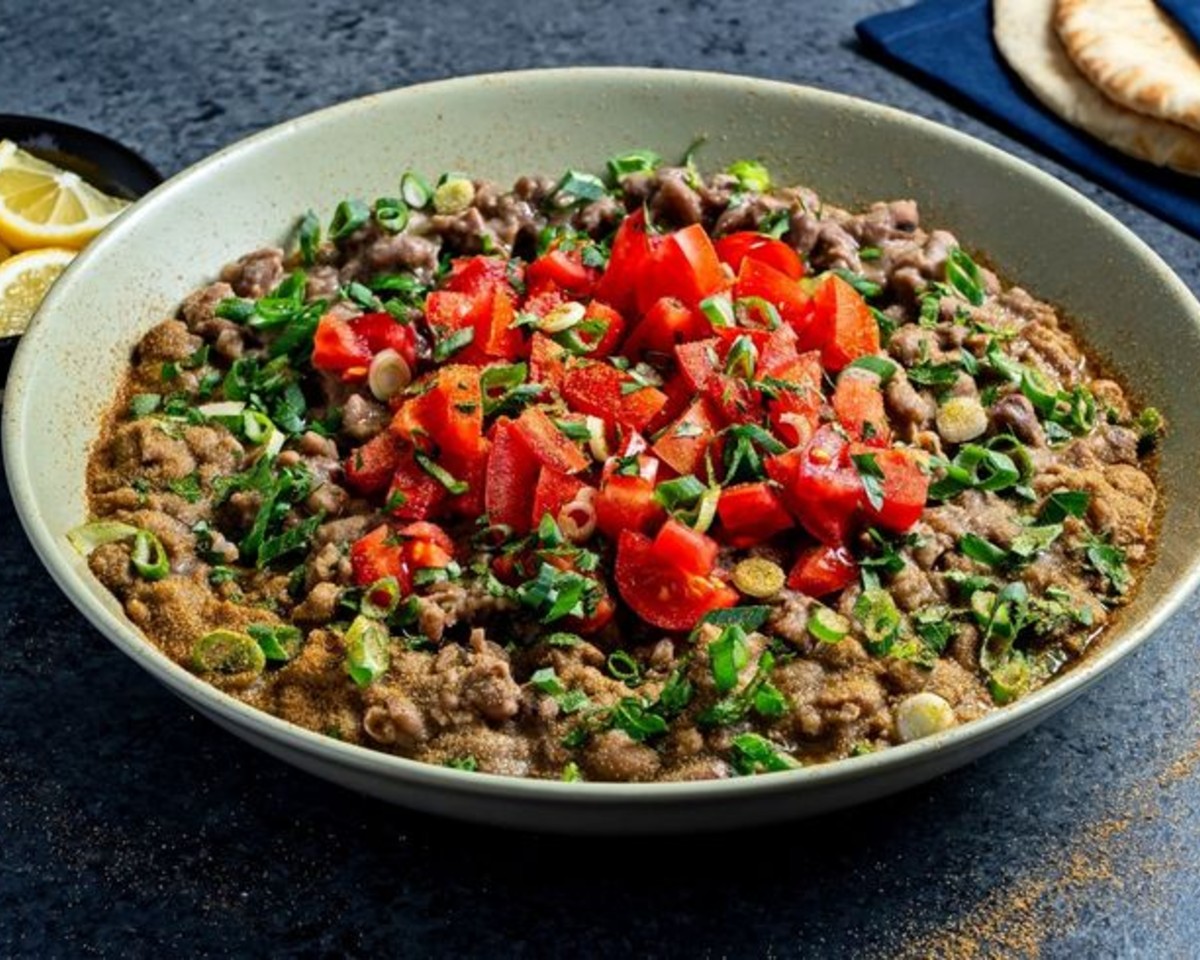
Ful Medames (Fava Beans)
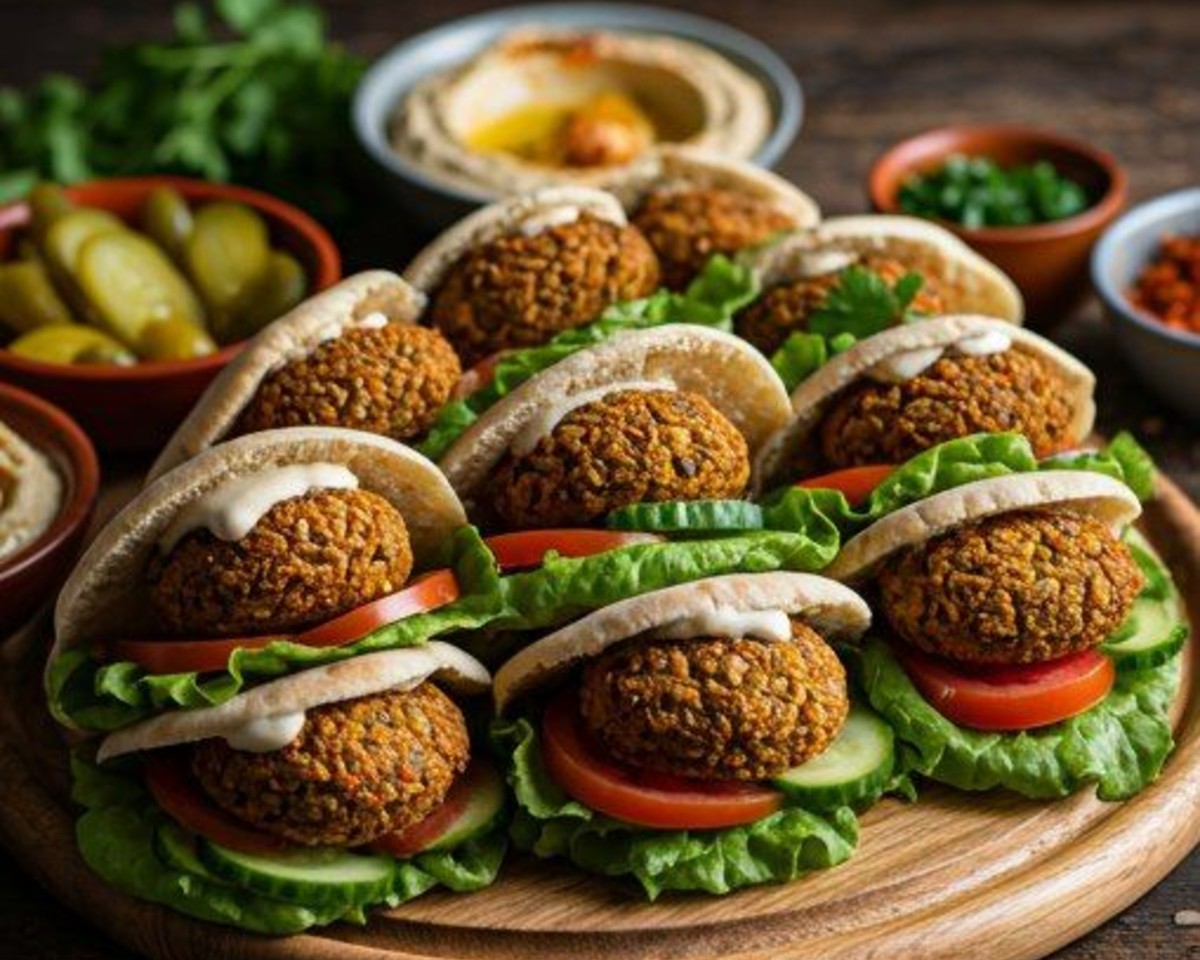
Ta'ameya (Egyptian Falafel)
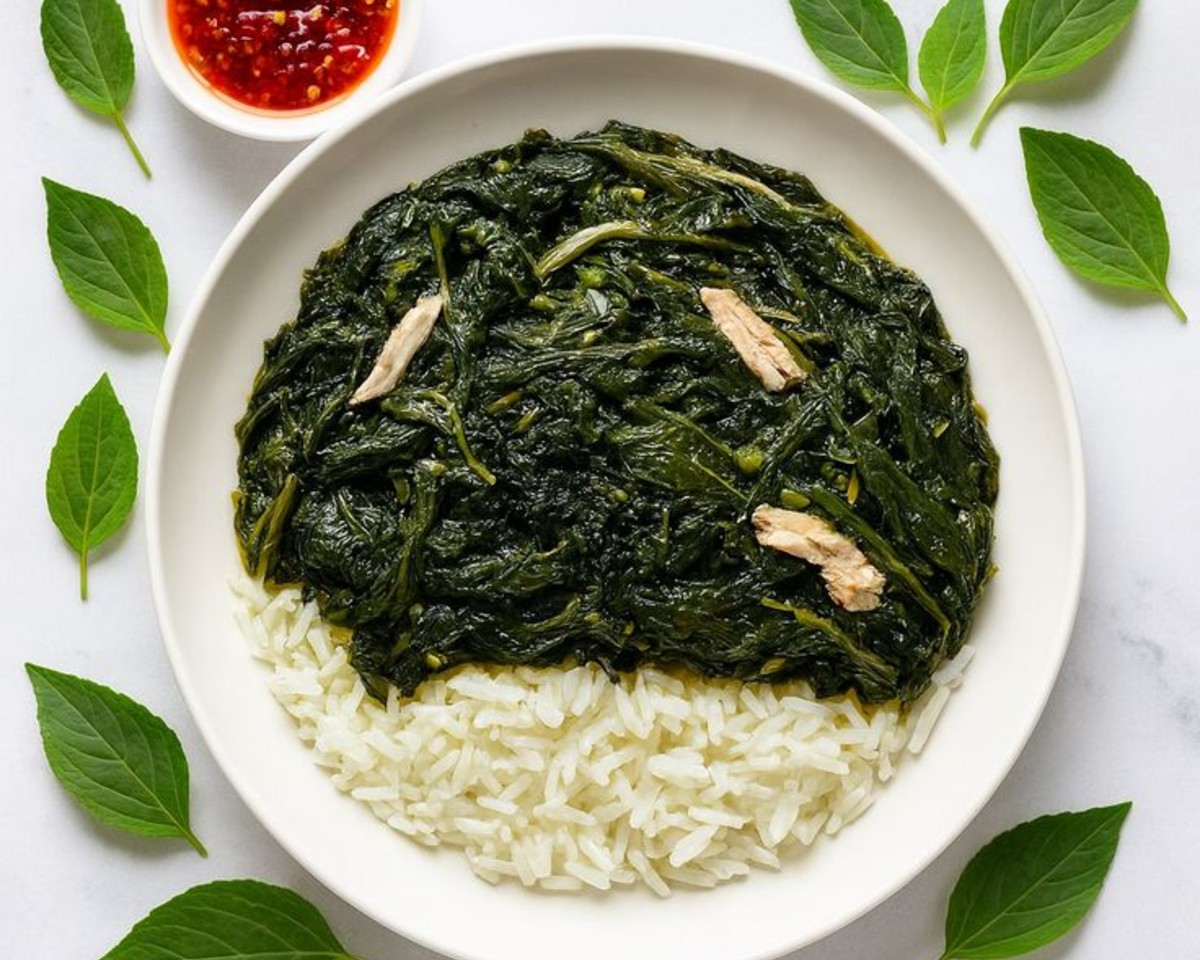
Molokhiyya (Jute Leaf Stew)
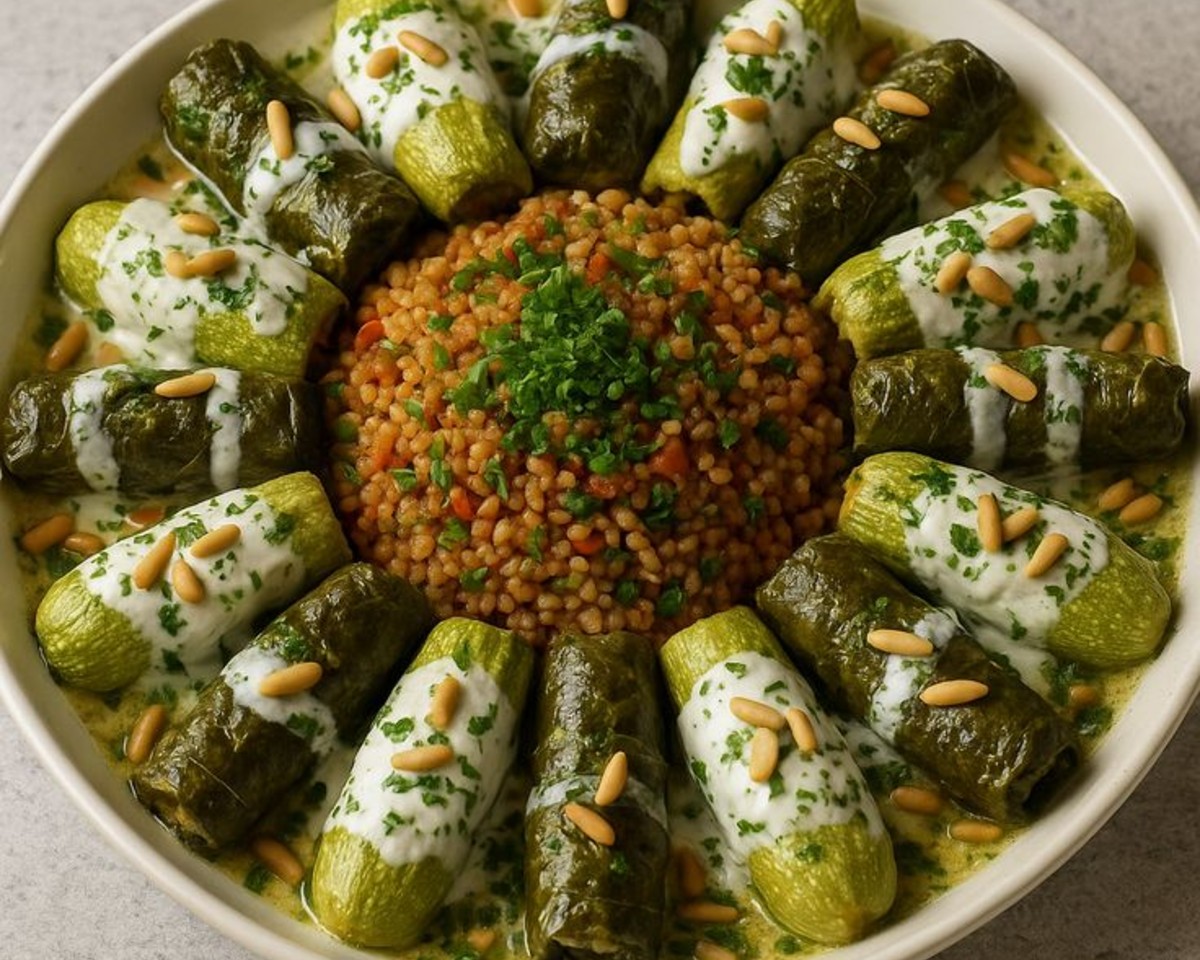
Mahshi (Stuffed Vegetables)
Kebab & Kofta (Grilled Meats)
Basbousa & Konafa (Desserts)
Where to Eat
Restaurants (Mataam)
Modern or traditional settings serving full meals. ₨100–400+ per person. Found in all cities and tourist areas.
Street Food Stalls
Koshari, ta'ameya, kebab carts everywhere. Safe, delicious, authentic. ₨10–50. Best experience for budget travelers.
Traditional Cafés (Ahwas)
Tea, coffee, shisha (water pipe), snacks. Social centers. ₨10–30. Backgammon, socializing. Quintessentially Egyptian.
Khan el-Khalili & Bazaars
Historic bazaars with food stalls, restaurants, cafés embedded in the market chaos. Breakfast, lunch, dinner available. Authentic Cairo experience.
Dining Etiquette
- •Meals are social rituals; rushing is rude. Linger, converse, enjoy.
- •Eat with right hand; cutlery reserved for formal settings.
- •Share communal dishes; accepting food offered is essential.
- •Never waste food or place bread upside down; bread is sacred.
- •Guests receive best portions; hosts serve themselves last.
- •Tipping: 10% if not included; additional 50–200 EGP appreciated.
- •Restaurants typically open 12–11 PM; cafés from 7 AM.
- •Alcohol available in hotels, upscale restaurants, but not in conservative areas.
- •Ramadan affects dining hours; check if visiting during fast month.
Signature Drinks
Shop & Bring Home
Egypt's shopping blends 1,000+ years of bazaar tradition with modern malls, offering authentic handicrafts, precious gems, aromatic spices, papyrus art, and iconic souvenirs that capture pharaonic glory and Islamic heritage.
Handicrafts & Souvenirs
- Alabaster Sculptures & Pharaonic Figurines
- Papyrus Scrolls (hand-painted hieroglyphic art)
- Brass Lanterns & Mosaic Lamps
- Wooden Boxes with Mother-of-Pearl Inlay
- Shisha Pipes (decorative & functional)
Jewelry & Gemstones
- Genuine Egyptian Sapphires & Rubies
- Semi-precious Stones (amethyst, lapis lazuli)
- Silver & Gold Pieces (Eye of Horus, ankh symbols)
- Scarabs (rebirth symbol); personalized cartouches (name in hieroglyphs)
Spices & Aromatics
- Egyptian Cumin (used since pharaonic times)
- Saffron & Cardamom
- Dried Hibiscus Flowers (karkade)
- Perfume Oils (jasmine, rose, Egyptian lotus)
- Egyptian Black Tea
Textiles & Fashion
- Khayamiya (appliqué wall hangings & cushions)
- Hand-embroidered Fabrics
- Egyptian Cotton Linens
- Traditional Galabiyya (men's robe)
- Decorative Scarves
Where to Shop (Local Hubs)
Khan el-Khalili Bazaar (Cairo)
Historic & Legendary
"World-famous bazaar dating to 14th century CE; UNESCO site. Labyrinthine alleys with 1,000+ shops selling spices, jewelry, lanterns, papyrus, textiles. Sensory overload; bargaining essential; coffee/tea at historic cafés. Allocate 3–4 hours minimum; expect crowds."
Tentmakers Market (Moez Street, Cairo)
Traditional Textiles
"UNESCO-recognized traditional craft; rows of workshops with artisans hand-stitching khayamiya cushions/wall hangings. Factory-made dupes flood bazaars; authentic pieces here feature visible hand-stitching. Budget 1–2 hours; negotiate prices."
Spice Bazaar (near Khan el-Khalili)
Aromatics & Flavors
"Piles of Egyptian spices, dried herbs, hibiscus flowers. Aromatic journey; wholesale prices; negotiable. Best visited early morning."
Ratnapura Gem Market (Aswan)
Gemstone Capital
"City of gems with certified dealers selling sapphires, rubies, semi-precious stones. Professional, regulated; request certificates of authenticity. Safe, transparent pricing; no haggling expected."
Modern Malls (Giza, Maadi, Downtown Cairo)
Contemporary Shopping
"International brands, local designers, restaurants, cinemas. Fixed prices; climate-controlled; crowds of Egyptians. Popular for modern souvenirs & dining."
On the Move
Airport
CAI
15 km northeast; 30-60 min to downtown
Taxi Apps
Uber/Careem
Safe, affordable, transparent; recommended
Nile
Felucca & Cruises
Ancient sailboats to luxury cruise ships
Airport Arrival
Cairo International Airport (CAI) is Egypt's main gateway, located 15 km northeast of downtown Cairo. Journey to center: 30–60 minutes by taxi/Uber, 1+ hours by bus depending on traffic.
Travel Tech
Travel Tips
Download Uber/Careem before arrival; may be difficult to install in-country.
Agree taxi fares with unofficial taxis before entering.
Cairo traffic is brutal; Uber/Metro faster than taxis during peak hours.
Nile cruises offer unique experience; book through reputable agencies.
Trains romantic but often late; build buffer time.
Carry small change for taxis, buses, tips.
Women: use women-only metro cars when available; safer.
Intercity Travel
Domestic Flights
EgyptAir connects Cairo to Aswan, Luxor, Alexandria. Fast (1 hour Cairo–Luxor) but expensive relative to trains.
Trains
Overnight sleeper trains Cairo–Aswan/Luxor; romantic Nile journey. First-class, second-class options. Book in advance. Subject to delays but scenic experience.
Nile Cruises
Multi-day luxury cruises 3–7 days Aswan–Luxor or full Nile circuit. Traditional felucca sailboats to 5-star ships. Temples, history, relaxation combined.
Long-Distance Buses
From Cairo Bus Terminal to Luxor, Aswan, Alexandria. AC coaches available; affordable. Delays possible.
Private Drivers/Car Rental
Best for customized tours and remote temples. Driver: ₨300–600 daily; Car rental: ₨150–400 daily. International license required.
BakıKart
No unified transit card; pay per journey in cash or negotiate daily rates with drivers/tour companies.
Visa Entry
Hassle-Free E-Visa: Quick Entry to Ancient Egypt
Egypt requires Indian nationals to obtain a visa before arrival. The most accessible option is the E-Visa (online), processed quickly without embassy visits.
Visit Egypt E-Visa portal (visa.gov.eg) or authorized agents like MakeMyTrip, VFS Global.
Register account; fill application with passport details, travel dates, accommodation.
Upload scanned documents: passport biodata, passport-size photo (white background), hotel booking.
Select visa type (Tourist) and provide tour itinerary.
Pay e-visa fee (₹1,675) online via credit/debit card.
Receive approval via email within 7 business days (often faster).
Print or save digital copy; present at immigration upon arrival.
Alternatively: Apply visa-on-arrival at airport for immediate issuance (not guaranteed; higher risk).
Registration
Penalty: Overstaying e-visa results in fines (₨500–1,000), deportation risk.
Entry Requirements
- • Valid Indian passport (must be valid 6+ months beyond departure).
- • Passport-size color photo on white background.
- • Hotel booking confirmation or accommodation proof.
- • Return flight ticket or onward travel confirmation.
- • Tour itinerary details (if with travel agency).
- • Bank statement for last 6 months (proof of funds).
- • Travel insurance (recommended but not mandatory).