
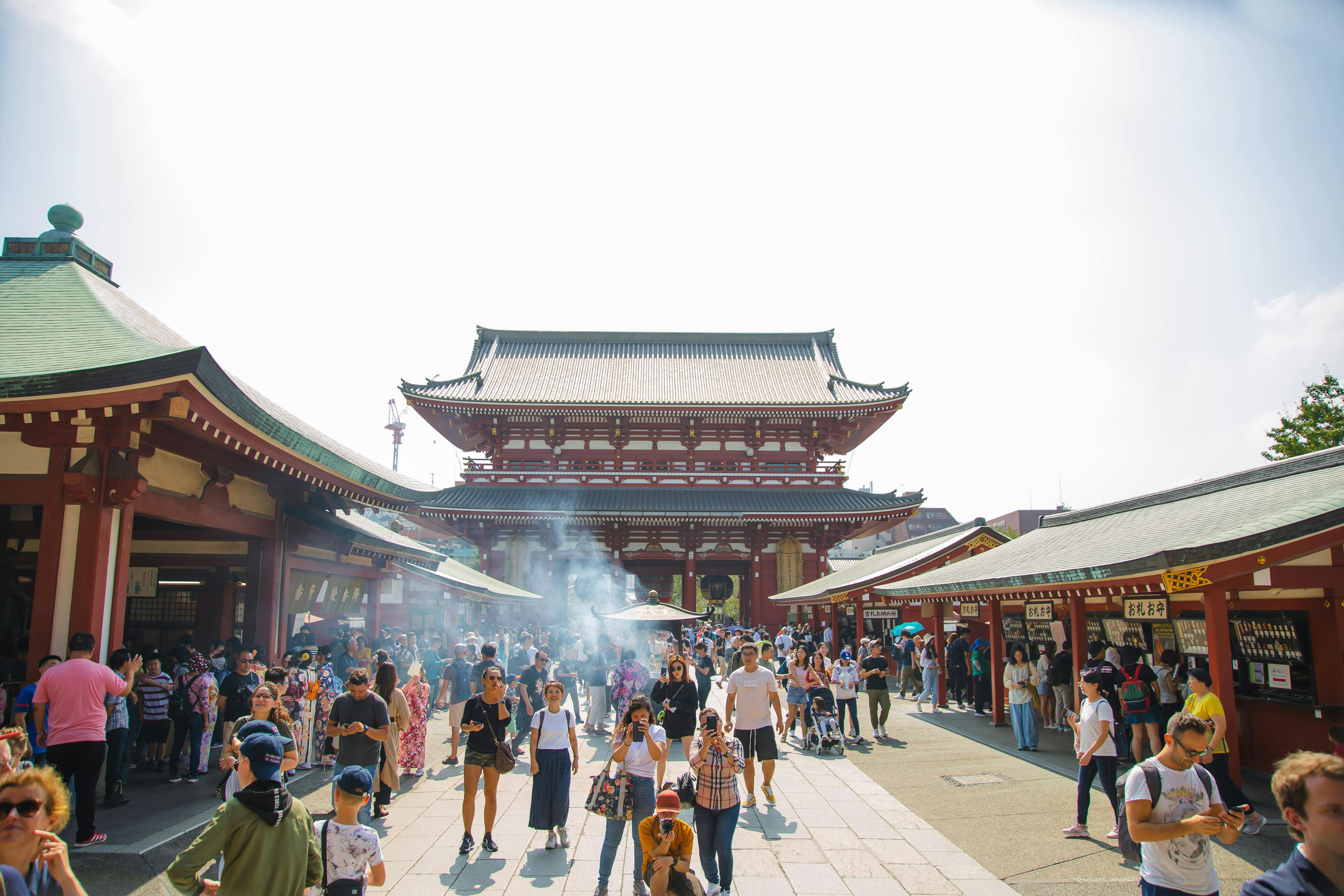
Japan
factsheet
Where ancient temples, neon cities, and four distinct seasons create a timeless journey.
The Essentials
Best Time
Mar–May, Oct–Nov
Currency
JPY (¥)
Climate
4 Seasons, 5+ Zones
Time Zone
UTC+9
Language
Japanese
Visa
Sticker Visa (No VOA)
Capital
Tokyo
Population
125M+
Calling Code
+81
Power Plug
Type A & B (100V)
Tipping
No tipping; good service is standard
Emergency
110 (Police), 119 (Ambulance/Fire)
History & Heritage
From Samurai Era to Superpower
Japan is an island nation where Shinto shrines and Zen temples coexist with bullet trains and anime culture—perfect for those seeking the best Japan tours. From early Jomon settlements through samurai rule, imperial isolation, rapid modernization, and post‑war rebirth, Japan has become one of the world’s most technologically advanced yet deeply traditional societies.
Jomon & Yayoi (14,000 BC – 250 AD)
Hunter‑gatherer Jomon culture left cord‑patterned pottery and ritual artifacts, later followed by Yayoi rice agriculture, metal tools, and the emergence of early clan‑based societies.
Classical Nara & Heian (710–1185)
Capital cities at Nara and Kyoto saw Buddhism, Shinto, and Chinese influences flourish. Court culture produced classics like The Tale of Genji and refined arts, calligraphy, and poetry.
Samurai & Shogunates (1185–1868)
Warrior clans established military governments (shogunates). Samurai codes of honor (bushidō), castles, and tea ceremony evolved, while Japan later entered two centuries of self‑imposed isolation under the Tokugawa shogunate.
Meiji Restoration & Empire (1868–1945)
With the Meiji Restoration, Japan rapidly industrialized, built railways, adopted Western institutions, and became an imperial power—leading to expansion in Asia and eventual defeat in World War II.
Post‑War Miracle (1945–1980s)
After devastation in 1945, Japan rebuilt under a pacifist constitution. High‑speed growth made it a global economic powerhouse, with innovations in cars, electronics, and high‑speed rail.
Contemporary Japan
Today, Japan blends ancient traditions with cutting‑edge technology. It remains a constitutional monarchy with an emperor as symbolic head of state and is renowned for safety, efficiency, and cultural soft power.
Spotlight: Mount Fuji (Fujisan)
Japan’s highest peak and sacred volcano, Mount Fuji is a symbol of beauty and resilience. Visible from Tokyo on clear days, it’s a UNESCO site and popular for sunrise climbs in summer.
Modern Constitution
1947
Pacifist constitution adopted after World War II
UN Membership
1956
Joined United Nations as a peaceful nation
World Heritage Sites
25+
Cultural & natural UNESCO sites across Japan
Capital
Tokyo
One of the world’s largest metropolitan areas
Climate & Time
Time Zone
Standard
UTC+9 (Japan Standard Time)
Difference
3 hours 30 minutes ahead of IST (India Standard Time)
🎯 Best Months
March–May & October–November
Climate
The climate in Japan varies significantly by region, offering a diverse range of weather conditions from coastal areas to mountain peaks.
Spring (Haru)
Mar – May
8–22°C (Tokyo)
Cherry blossoms, mild weather, and festivals. Peak sakura varies by region (late Mar–early Apr in Tokyo/Kyoto).
Summer (Natsu)
Jun – Aug
20–32°C, humid
June rains followed by hot, humid weather. Best time for alpine hikes and northern Hokkaido; lively fireworks and festivals.
Autumn (Aki)
Sep – Nov
10–24°C
Comfortable temperatures and red‑gold foliage. Ideal for temple visits, city walks, and food lovers.
Winter (Fuyu)
Dec – Feb
-5–10°C (colder in north)
Snowy landscapes, onsen hot springs, and world‑class skiing in Hokkaido and the Japanese Alps.
Seasonal Packing List
Language Guide
Official Language
Japanese
Japanese is spoken by the vast majority of residents. English is taught in schools and is common on signs in major cities, but conversational proficiency varies. Politeness levels and context‑sensitive expressions are central to communication.
Local Signage
Essential Phrases
Hello
Konnichiwa
Thank you
Arigatō gozaimasu
Goodbye
Sayonara
Yes / No
Hai / Iie
Please
Onegaishimasu
Excuse me / Sorry
Sumimasen
How much?
Ikura desu ka?
Where is...?
... wa doko desu ka?
Currency & Money
Official Currency
Japanese Yen
¥ (JPY)
Exchange Rates
Denominations
Banknotes
¥1,000, ¥2,000 (rare), ¥5,000, ¥10,000
Coins
¥1, ¥5, ¥10, ¥50, ¥100, ¥500
Culture & Vibes
Polite, Precise, Deeply Respectful
"Japanese culture values harmony (wa), respect, and attention to detail. From spotless trains to meticulously prepared meals, daily life reflects centuries‑old etiquette shaped by Shinto, Buddhism, and community‑mindedness."
Bowing
Bowing is the standard greeting and sign of respect. A slight bow is enough for most interactions; deeper bows show greater respect.
Shrines & Temples
At shrines, bow once at the torii gate, cleanse hands at the basin, and be quiet near prayer halls. Photography may be restricted inside.
Shoes Off
Remove shoes in homes, some ryokan, temples, and certain restaurants. Use provided slippers and keep socks clean and presentable.
Public Transport
Trains are quiet zones; avoid loud conversations, and switch phones to silent. Priority seats are for elderly, pregnant, and disabled passengers.
Essential Dos
- • Queue patiently for trains, buses, and elevators.
- • Say ‘sumimasen’ (excuse me) when asking for help or passing people.
- • Carry a small bag for your own trash; bins can be scarce.
- • Handle money and cards with both hands when paying.
- • Try local customs like onsen bathing—after reading the rules.
Essential Don'ts
- • Don’t talk loudly on trains or in small restaurants.
- • Don’t eat while walking in crowded streets or on local trains.
- • Don’t stick chopsticks upright in rice; it resembles a funeral ritual.
- • Don’t touch or hug people you’ve just met unless they initiate.
- • Don’t enter tatami rooms with shoes or slippers—only socks or bare feet.
Specific Etiquette
Dining Etiquette
Say ‘itadakimasu’ before eating and ‘gochisōsama deshita’ after. Use chopsticks properly; don’t pass food chopstick‑to‑chopstick or lick chopsticks.
Business Etiquette
Exchanging business cards (meishi) is formal: present and receive with both hands, read the card, and never shove it into a pocket in front of the giver.
Gifting Etiquette
Omiyage (souvenirs) from trips are commonly given to colleagues and family. Gifts are often modest but thoughtfully chosen and nicely wrapped.
From Sushi Counters to Street Stalls
Japanese cuisine emphasizes seasonality (shun), balance, and presentation. From sushi and ramen to kaiseki and convenience store bentō, eating in Japan is a highlight of any trip.
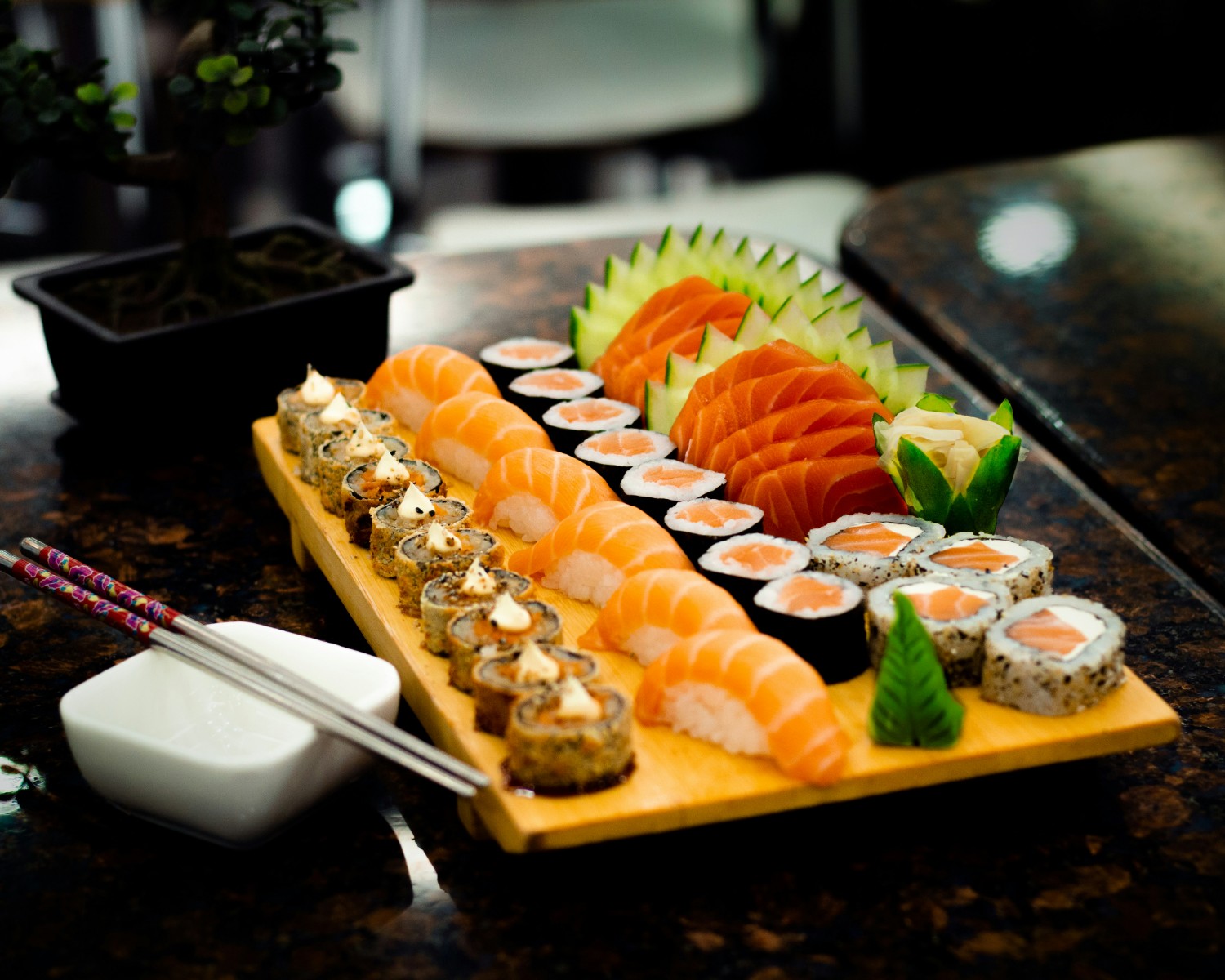
Sushi & Sashimi
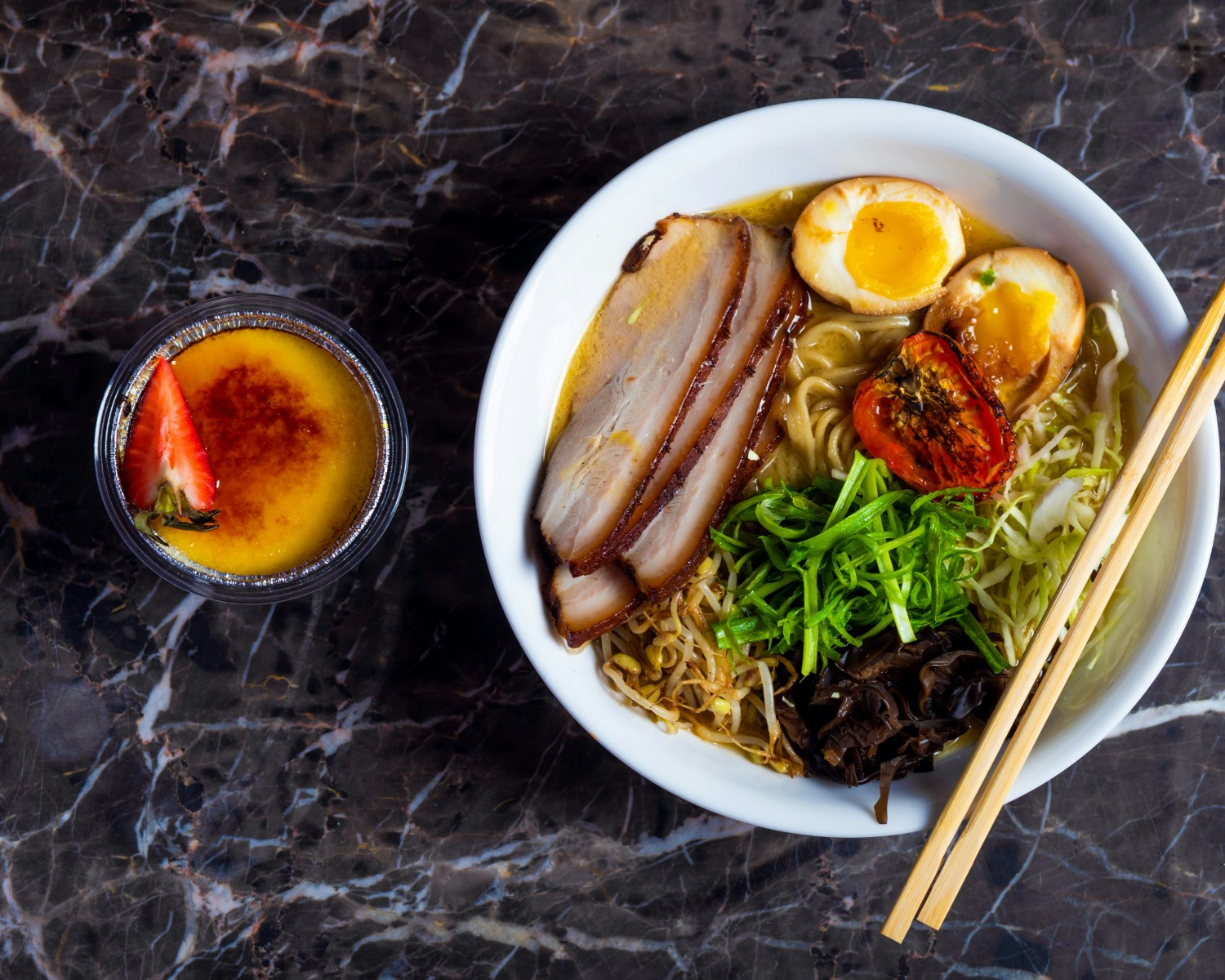
Ramen
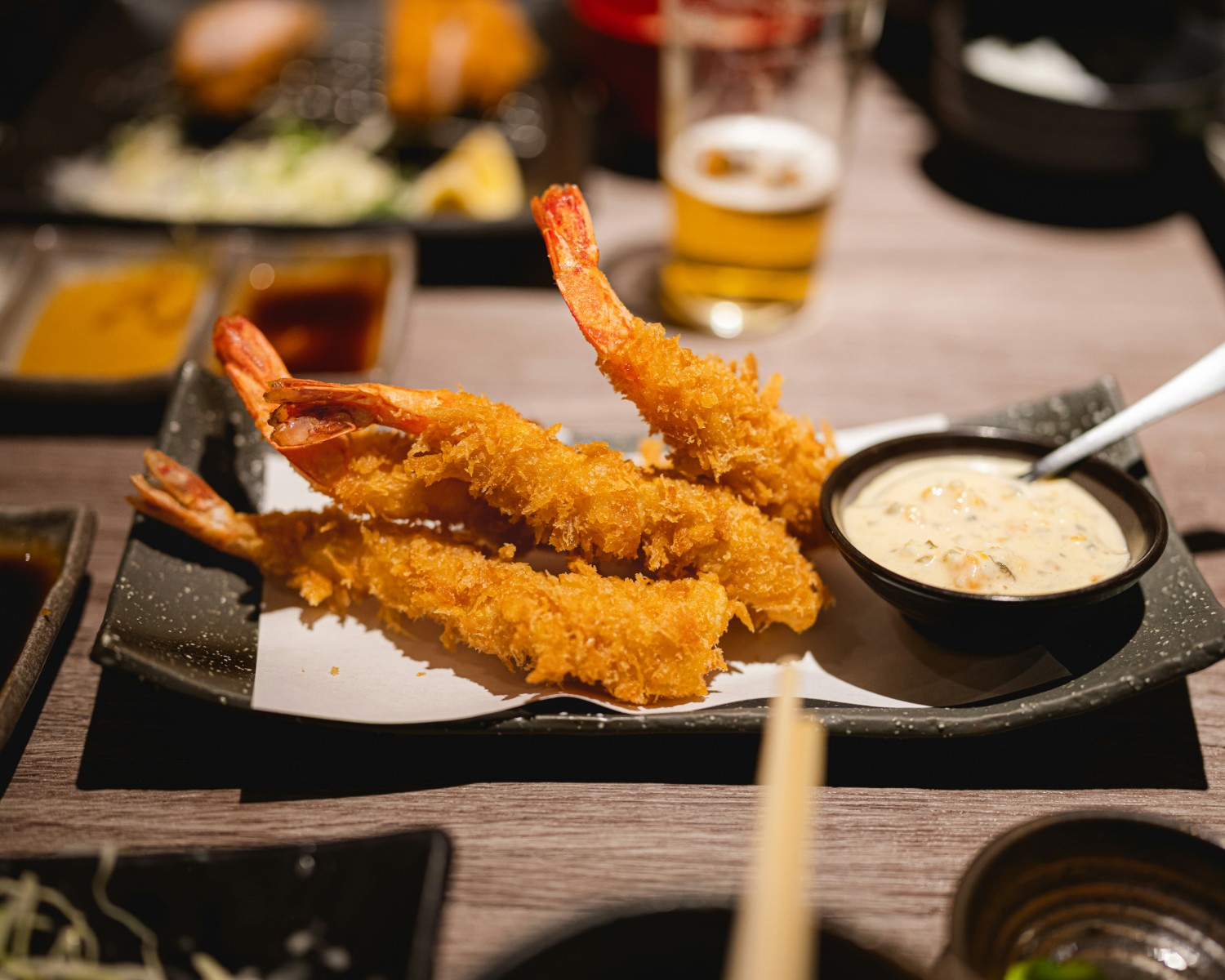
Tempura
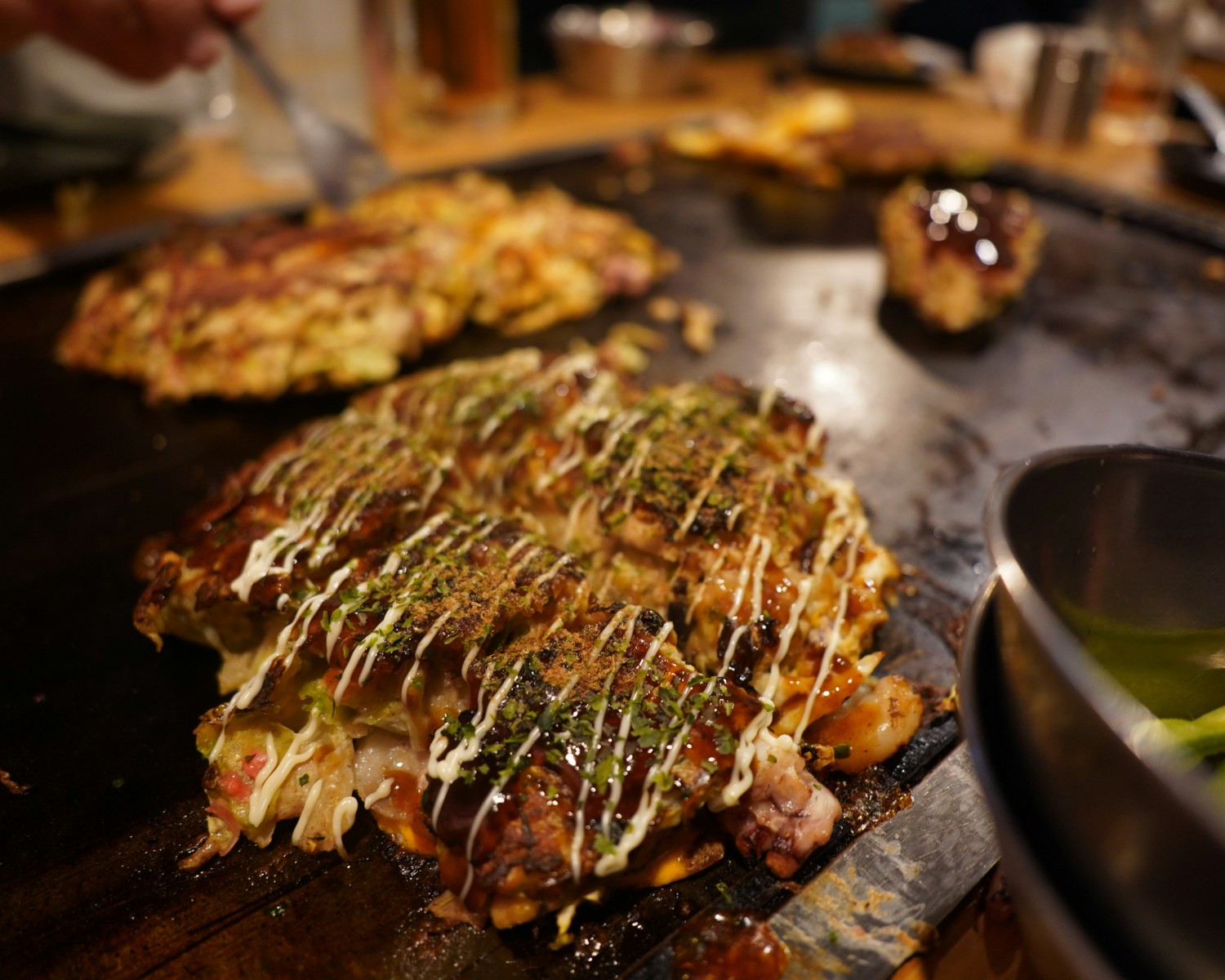
Okonomiyaki & Takoyaki
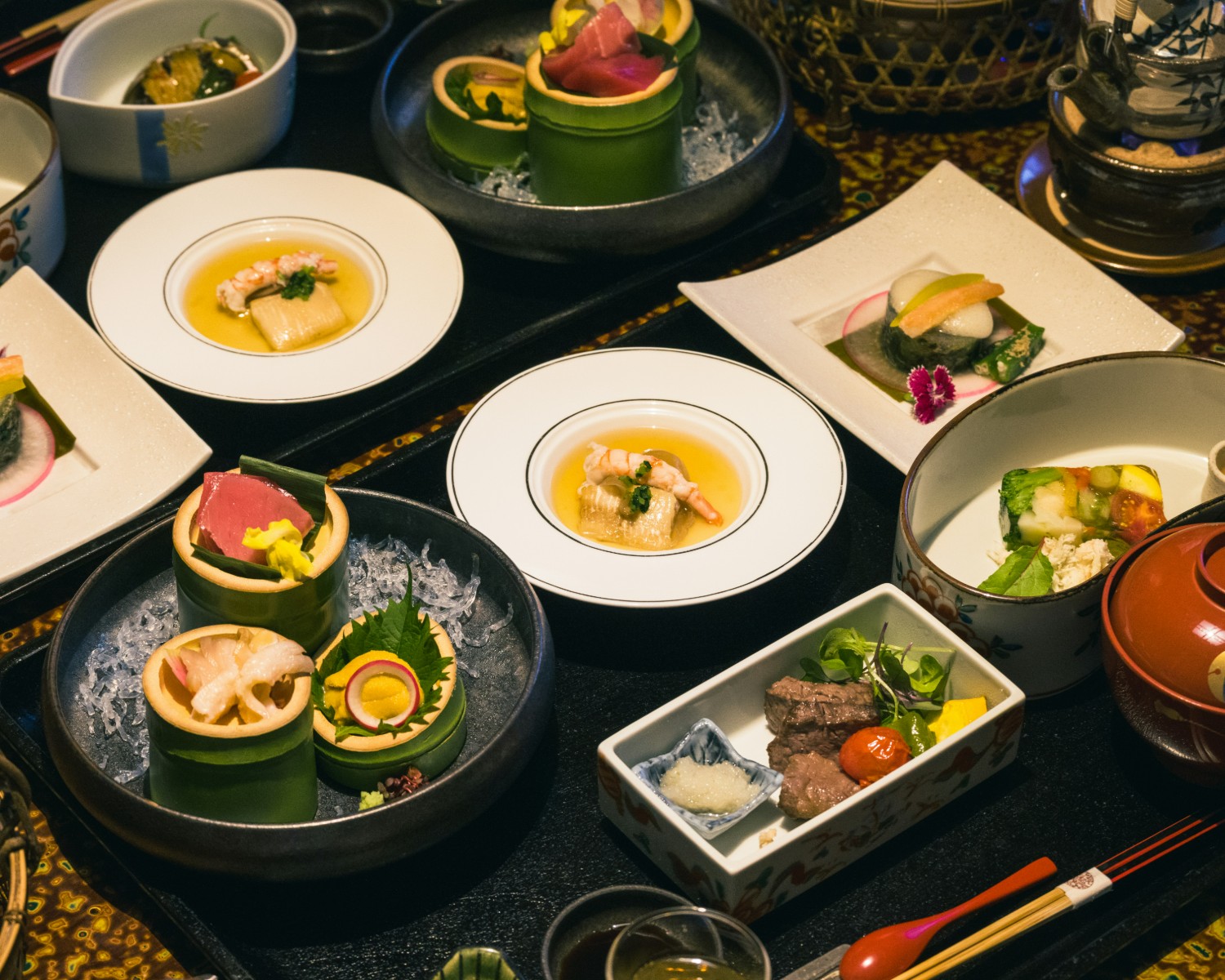
Kaiseki
Where to Eat
Izakaya
Lively Japanese pubs serving shared plates, skewers, and drinks—great for experiencing local nightlife.
Conveyor‑Belt Sushi (Kaiten‑zushi)
Affordable sushi where plates circle on a belt; pay by plate color or count.
Convenience Stores (Konbini)
7‑Eleven, Lawson, and FamilyMart offer surprisingly good bentō, onigiri, and snacks 24/7.
Depachika (Department Store Basements)
High‑end food halls with beautiful bentō, sweets, and regional specialties—perfect for picnic meals.
Dining Etiquette
- •Many restaurants display plastic food models; you can point to order.
- •In casual ramen or izakaya spots, paying at the counter is common.
- •Slurping noodles is acceptable and even shows enjoyment.
- •Tipping is not customary; leaving coins on the table may confuse staff.
- •Some restaurants are cash‑only; check signs at the entrance.
Signature Drinks
Shop & Bring Home
Japan offers everything from centuries‑old crafts and regional foods to cutting‑edge electronics, fashion, and pop‑culture merchandise.
Traditional Crafts
- Ceramic ware (Arita, Mashiko)
- Lacquerware
- Handmade Washi Paper
- Furoshiki Wrapping Cloths
Textiles & Fashion
- Yukata & Kimono
- Tenugui Hand Towels
- Japanese Streetwear
Pop Culture & Stationery
- Anime & Manga Goods
- Plushies & Figurines
- High‑quality Pens & Notebooks
Snacks & Regional Foods
- KitKat Special Flavors
- Mochi & Wagashi
- Local Sake
- Green Tea
Where to Shop (Local Hubs)
Ginza & Shibuya (Tokyo)
High‑End & Trendy
"Luxury brands, flagship stores, and youth fashion in one metropolis."
Akihabara (Tokyo)
Electronics & Anime
"Electronics, gaming, anime, and maid cafés—the heart of otaku culture."
Nishiki Market (Kyoto)
Food Market
"‘Kyoto’s kitchen’ with pickles, sweets, tea, and cookware in a narrow arcade."
Don Quijote (Nationwide)
Discount Variety Store
"One‑stop shop for cosmetics, snacks, souvenirs, and quirky gifts."
On the Move
Main Hubs
HND, NRT, KIX
Connect Japan with India and the world
Shinkansen
320 km/h
High‑speed bullet trains across Honshu & Kyushu
Transit Apps
Highly reliable
Real‑time route, platform, and fare info
Airport Arrival
Major gateways include Tokyo’s Haneda (HND) and Narita (NRT), Osaka’s Kansai International (KIX), and others in Sapporo, Fukuoka, and Nagoya.
Travel Tech
Travel Tips
Purchase an IC card (Suica/Pasmo/Icoca) on arrival for seamless local travel.
Use route planner apps to check last train times—taxis after that can be expensive.
Reserve Shinkansen seats during peak seasons (Golden Week, Obon, New Year).
Luggage forwarding (takkyubin) can ship bags between hotels for next‑day delivery.
Intercity Travel
Shinkansen (Bullet Trains)
Fastest way between major cities. Japan Rail Pass or regional passes can save money for multi‑city trips.
Limited Express & Local Trains
Connect regional hubs and scenic routes, often covered by JR and private railway passes.
Highway Buses
Cheaper than trains, including overnight buses between Tokyo, Osaka, Kyoto, and other cities.
Domestic Flights
Efficient for long distances like Tokyo–Hokkaido or Tokyo–Okinawa, with low‑cost carriers offering deals.
Visa Entry
Japan Visa for Indian Travelers
Japan does not offer visa‑on‑arrival for Indian nationals. A short‑term tourist visa must be obtained in advance through the Embassy/Consulate or VFS Japan centers in India.
Book an appointment with VFS Japan or designated application center for your jurisdiction.
Prepare documents: visa form, recent photo, passport, covering letter, itinerary, and financial proof.
Submit application and pay visa + service fees in person (biometrics not usually required).
Track application via VFS; collect passport with visa or have it couriered back.
Check visa sticker for validity dates and permitted stay before travel.
Registration
Penalty: Overstaying a visa can lead to fines, detention, and deportation.
Entry Requirements
- • Indian passport valid for at least 6 months beyond travel dates, with blank pages.
- • Completed and signed visa application form with recent passport‑size photo.
- • Confirmed flight bookings (or tentative itinerary) and hotel confirmations.
- • Day‑wise travel plan within Japan (cities, hotels, and key activities).
- • Bank statements (typically 6 months), ITRs, and employment/self‑employment proof.
- • No‑objection letter from employer or college, if applicable.
- • Travel insurance strongly recommended, especially for medical coverage.