
Rajasthan
factsheet
The Land of Kings – Where Magnificent Palaces, Desert Landscapes, and Rajput Heritage Create an Enchanting Journey Through India's Royal Heartland.
The Essentials
Best Time
Oct - Mar
Currency
INR (₹)
Climate
Semi-Arid Desert
Time Zone
UTC+5:30 (IST)
Language
Hindi/Rajasthani
Entry
Indian Citizens Only
Capital
Jaipur
Population
68.5M
Calling Code
+91
Power Plug
Type D & M (230V)
Tipping
₹50–100 appreciated (optional)
Emergency
100 (Police) / 101 (Ambulance) / 108 (Emergency)
History & Heritage
From Ancient Kingdoms to Modern Magnificence – 40,000 Years of Rajput Splendor
Rajasthan, meaning 'Land of Kings,' stands as India's crown jewel of heritage and chivalry. With 40,000 years of human habitation spanning the Stone Age through Mughal prosperity to modern independence, Rajasthan epitomizes royal courage. Indus Valley Civilization (2000–5000 BCE) flourished here; legendary Rajput dynasties (Guhila, Pratihara, Chauhan, Rathore, Kachhawaha) ruled for millennia. The 16th century brought Mughal expansion under Akbar; Maharana Pratap's defiant resistance became immortal. British colonial rule (1817–1947) preserved princely kingdoms; post-independence integration (1950) created modern Rajasthan. Today, the state blends ancient traditions with 21st-century tourism, attracting 37.8 million domestic visitors in Jan-Feb 2025 alone (+108% growth vs prior year). UNESCO heritage sites (Jaipur City, Amer Fort, Kumbhalgarh, Chittorgarh) showcase architectural brilliance.
Stone Age & Indus Valley Civilization (100,000–2000 BCE)
Archaeological evidence reveals 40,000+ years continuous human habitation. Kalibangan (northwest Rajasthan): major Indus Valley site with ancient fire altars, similar Lothal; pottery fragments, agriculture indicators. Vedic Period (1500–500 BCE): region known as 'Brahmavarta' (divine land between Saraswati-Drishadwati rivers). Matsya kingdom: Vedic-era political entity. Kurukshetra War participant King Virata testimony to Rajasthan's strategic importance.
Gupta Empire & Rise of Rajput Dynasties (351–11th Century)
Samudragupta (351 CE) defeated Satrap Rudrasimha II, establishing Gupta dominance. Chandragupta II (415 CE) consolidated Gupta control. Decline triggered Rajput dynasty emergence (6th–11th centuries): Gurjar-Pratiharas (Kannauj), Guhilas of Mewar, Pratihars of Mandore, Bhatis of Jaisalmer, Chauhans of Ajmer rose to prominence. Bappa Rawal (728–763 CE): legendary Guhila founder, repelled 8th-century Arab invasions—critical barrier preserving Hindu civilization 300+ years.
Rajput Golden Age – Mewar & Marwar Supremacy (11th–16th Centuries)
Rana Kumbha (1433–1468 CE): Sisodiya dynasty, built 32 forts (Kumbhalgarh), militarily formidable. Rana Sanga (1508–1528): unified Rajput confederacy, most powerful northern India force pre-Mughal era. Maharana Pratap (1572–1597): legendary resistance against Emperor Akbar despite eventual military defeat; Haldi Ghati (1576) immortalized his valor. Bhati dynasty: Rawal Jaisal Singh founded Jaisalmer (1156 CE)—'Golden City.' Regional kingdoms competed successfully until Mughal expansion.
Mughal Expansion & Rajput-Mughal Synthesis (16th–18th Centuries)
Emperor Akbar conquered Mewar (1568), laying siege Chittorgarh—transforming military balance. Many Rajput rulers eventually accepted Mughal sovereignty, creating Persian-Islamic-Hindu cultural fusion. Kachhawaha of Amer (Jaipur): allied with Mughals, gained prosperity. Sisodiya Mewar & Rathore Marwar: resisted Mughal domination fiercely despite military disadvantage. 18th century Maratha intervention (1720–1817): revenue raids destabilized Rajput kingdoms, ultimately leading to British protectorate seeking.
British Colonial Era & Princely States (1817–1947)
Post-1817 Treaties of Ajmer secured British control; princely kingdoms retained autonomy with British suzerainty. Maharajas retained royal titles, revenues, armies (subordinate British). Railroads, modern administration introduced; heritage preservation emphasized. Rajput nobility maintained cultural identity despite colonial rule. 1947 Independence: princely states integration into Indian Union (1950)—Chief Minister Sampuranand oversaw democratic transition. Historical kingdoms (Jaipur, Jodhpur, Udaipur, Jaisalmer) transitioned smoothly to constitutional democracy.
Modern Rajasthan – From Tourism Gateway to Economic Powerhouse (1950–Present)
Post-independence: land reforms, infrastructure development, irrigation projects transformed agrarian economy. Tourism emergence 1960s-70s: iconic sites (Amer Fort, Hawa Mahal, Udaipur Lake Palace) attracted international travelers. 2023: 179M domestic tourists, 1.7M international tourists (7th rank India). 2024: 230M+ combined visitors. 2025 surge: 37.8M domestic arrivals Jan-Feb (+108% YoY)—unprecedented growth driven improved highways, religious tourism, MICE events, concert festivals, weekend getaways, village tourism. Amer Fort: Best Heritage Destination (India Today 2025); Kumbhalgarh: Best Mountain; Bikaner: Best Culinary. Anticipated 60M+ domestic visitors 2025 full-year.
Spotlight: Hawa Mahal – The Palace of Winds – Jaipur's Iconic Pink Marvel
Hawa Mahal (1799): Maharaja Sawai Pratap Singh construction; five-story pink sandstone structure iconic Jaipur symbol. 953 small jharokhas (latticed windows) honeycomb-like facade justifies 'Palace of Winds' epithet—designed allowing royal women private observation street life without public visibility (Purdah system accommodation). Intricate latticework ventilation maintains cool internal temperatures. UNESCO World Heritage Site (Jaipur City). Most-photographed landmark India; visited 2M+ annually. Archaeological significance: represents royal innovation combining privacy, aesthetic beauty, practical cooling systems—architectural brilliance preserving women's agency within restrictive social structures.
Tourism 2025
37.8M (Jan-Feb)
+108% YoY growth; Fastest-growing destination
Annual Arrivals
230M+
2024 record combined domestic-international
Best Heritage
Amer Fort
India Today 2025 award; recognized excellence
Domestic Tourists 2025
15.04 Crore (Jan-Aug)
+11% YoY (Jan-Aug 2025 vs 2024)
Climate & Time
Time Zone
Standard
UTC+5:30 (IST - Indian Standard Time)
Difference
Synchronized nationwide India; no offset variation
🎯 Best Months
October, November, December, January, February, March, April, May
Climate
The climate in Rajasthan varies significantly by region, offering a diverse range of weather conditions from coastal areas to mountain peaks.
Winter (October–March)
Oct – Mar
10–30°C daytime; 2–15°C nights
PEAK TOURIST SEASON: Perfect weather—cool, dry, clear skies. October-November: transitional (20–28°C daytime). December-January: coldest (10–25°C daytime); nights drop 2–8°C in desert areas. March: warming 25–35°C. Ideal sightseeing conditions: Amer Fort, City Palace, Hawa Mahal, Mehrangarh Fort comfortable exploration. Desert safaris, camel treks thrive. Jaipur Literature Festival, Pushkar Camel Fair (Oct-Nov), Bikaner Camel Festival (Jan) major events. Hotel premium prices; advance booking essential. Spectacular sunset photography. Bonfires under starlit desert skies magical experiences. Least rainfall, highest visibility.
Spring (April–May)
Apr – May
30–45°C daytime; 18–30°C nights
Transition pre-summer: warm pleasant conditions early April (25–35°C), hot intensifying May (35–45°C). Fewer tourists than peak winter; budget-friendly rates, easier accommodation. Holi (March-April) celebrations: colorful festival, cultural immersion opportunities. Mango season begins; orchards offer fresh fruit. Still relatively comfortable compared summer intensity. Water conservation noticed (lakes, reservoirs); wildlife concentrated shrinking water sources (Ranthambore safari opportunities). Sunset viewing still spectacular. Dehydration risk increases May—maintain hydration.
Summer (June–August)
Jun – Aug
30–48°C daytime; 20–35°C nights
Extreme heat: June-July peak (45–48°C daytime regularly). Monsoon arrival Jun-Sep brings relief, moderate rainfall (100–200mm), humidity 60–80%. Lush green landscapes transform parched desert; lakes, reservoirs fill. Not peak tourist season; budget rates excellent. Teej Festival (Jul-Aug): women celebrate fertility, renewal; local cultural immersion authentic experience. Adventure enthusiasts: trekkable mountain passes (cooler microclimate), trekking routes improved wet conditions. Photography: dramatic monsoon clouds, greenery provide aesthetic variety. Mosquito-borne diseases (dengue): insect repellent essential. Flash flooding risk in low-lying areas; travel planning important.
Seasonal Packing List
Language Guide
Official Language
Hindi (official), Rajasthani (regional)
Hindi primary language government, education, administration. Rajasthani umbrella dialect group: Marwari (western), Mewari (Mewar region), Shekhawati (northeast), Dhundhari (east), Harauti (southeast)—each with distinct vocabulary, pronunciation. Marwari most widely recognized. English growing urban areas, tourism sector, youth (under 35). Hindi-English code-switching common educated professionals. Local dialects strong village/rural areas; cities cosmopolitan. Tourism infrastructure heavily English-oriented.
Local Signage
Essential Phrases
Hello
Namaste / Khamma Ghani (Marwari)
Thank you
Dhanyavaad / Shukriya
Goodbye
Phir Milenge / Shukriya
Yes / No
Haan / Nahi
Please
Kripaya / Meherbaani
Excuse me
Maaf Kijiye
How much?
Kitna / Kitneh?
Where is...?
...kahan hai?
Currency & Money
Official Currency
Indian Rupee
₹ (INR)
Exchange Rates
Denominations
Banknotes
₹10, ₹20, ₹50, ₹100, ₹200, ₹500, ₹2,000
Coins
50p, ₹1, ₹2, ₹5, ₹10
Culture & Vibes
Royal Hospitality Meets Desert Wisdom – Modern India's Cultural Heartland
"Rajasthan uniquely syncretic: blends Hindu traditions (70% population), Islamic heritage (Mughal era fusion), Jain spirituality (major temples), Sikh presence. Rajput values—honor, courage, justice—permeate cultural consciousness. Deeply religious yet pragmatic; festivals (Diwali, Holi, Teej, Pushkar) celebrated vibrant scale. Hospitality sacred: guests treated extended family members. Contemporary society balances ancient customs (family-oriented, elder-respect) with modernization (youth entrepreneurship, women empowerment increasing). Desert wisdom—resilience, frugality, community bonds—embedded ethos. Public displays affection culturally uncommon; respectful behavior paramount. Gender roles traditional rural areas; progressive urban centers."
Religious Respect & Temple Etiquette
80+ major temples, mosques, Jain sites. Dress modestly: cover shoulders, knees; women wear scarves religious sites. Remove shoes temple entrances (shoe racks provided). Photography often restricted inner sanctums; ask permission. Circumambulation (clockwise walking) sacred spaces tradition. Maintain silence; loud behavior disrespectful. Participate blessings graciously; receiving tilak (forehead mark) customary acceptance.
Family & Elder Respect
Family paramount Rajasthani culture. Elders receive utmost respect; stand greet them first. Listening seniors advice cultural norm (even if disagreeing privately). Public disrespect parents deeply insulting. Multi-generational households common; respect family hierarchy essentials.
Tea/Chai Hospitality
Refusing offered tea/chai insulting. Accept graciously; sharing ritual signifies friendship, respect. Street chai culture (₹10–20) authentic social experience. Chai accompanied biscuits, namkeen (savory snacks); lingering conversation expected—rushed departure impolite.
Social Boundaries
Handshake standard; physical contact traditional (male-female limited traditional communities). Personal space smaller than Western norms; crowding normalized public transport, bazaars. Avoid pointing feet people (disrespectful); left hand eating considered unclean traditionally (right-handed eating custom).
Essential Dos
- • Greet 'Namaste' hands pressed (respectful gesture)—locals deeply appreciate effort
- • Ask permission photographing people, especially women, children, religious ceremonies
- • Participate cultural events, festivals (Holi color-play, Diwali celebrations) enthusiastically welcomed
- • Bargain bazaars playfully; expected cultural exchange; hagglers respected
- • Accept small gifts, sweets offered graciously; refusing insulting
- • Compliment Rajasthani hospitality, cuisine generously; immense cultural pride
- • Learn basic Rajasthani phrases ('Khamma Ghani' hello)—locals emotional appreciation shown
- • Support local artisans; direct handicraft purchases benefit communities
Essential Don'ts
- • Don't discuss sensitive religious/political topics (inter-faith relations, government)
- • Don't criticize Rajput heritage, warriors, royal history publicly
- • Don't display public affection (kissing, excessive touching culturally insensitive)
- • Don't disrespect temples, mosques, religious symbols, holy sites
- • Don't point feet at people sitting (deeply disrespectful gesture)
- • Don't place bread (roti, bajra) upside down, waste—bread sacred
- • Don't photograph religious ceremonies without explicit permission
- • Don't refuse offered hospitality (tea, food, gifts)—deeply insulting
Specific Etiquette
Dining Etiquette
Wait eldest/honored guest signal eating commencement. Bread (roti, bajra) sacred—never waste, place upside, step over. Right hand eating (left unclean traditional belief). Compliment cook's culinary skills generously. Finishing food plate shows appreciation hosts' efforts. Meals communal style: family eating together; leftover sharing acceptable. Vegetarian-conscious: inform restrictions advance; accommodations made graciously.
Gifting Etiquette
Avoid knives (cutting friendship), clocks (death symbolism), handkerchiefs (tears). Wrap gifts beautifully; colors matter (red/gold auspicious; black avoided). Odd-numbered gifts (1, 3, 5) lucky; even-numbered unlucky (funeral association). Receive gifts both hands respectfully; immediate opening impolite—gift-opening private. Handmade items, local crafts thoughtful.
Rajasthani Cuisine – Spice, Millet & Desert Tradition
Rajasthani cuisine reflects desert austerity transformed into hearty, flavorful comfort. Spice-forward, meat-centric (Laal Maas), vegetable-rich (Gatte, Ker Sangri). Bajra (pearl millet), wheat, lentils staple carbohydrates. Ghee-generous, slow-cooked gravies, clay-oven tandoor dishes signature. Cuisine influenced Persian-Mughal (layered-rice biryani, kebabs) blended local desert ingredients. Water scarcity history drove preservation techniques: dried vegetables, pulses, preserved meats. Modern Rajasthan: street food culture thriving; heritage restaurants preserving recipes generations.
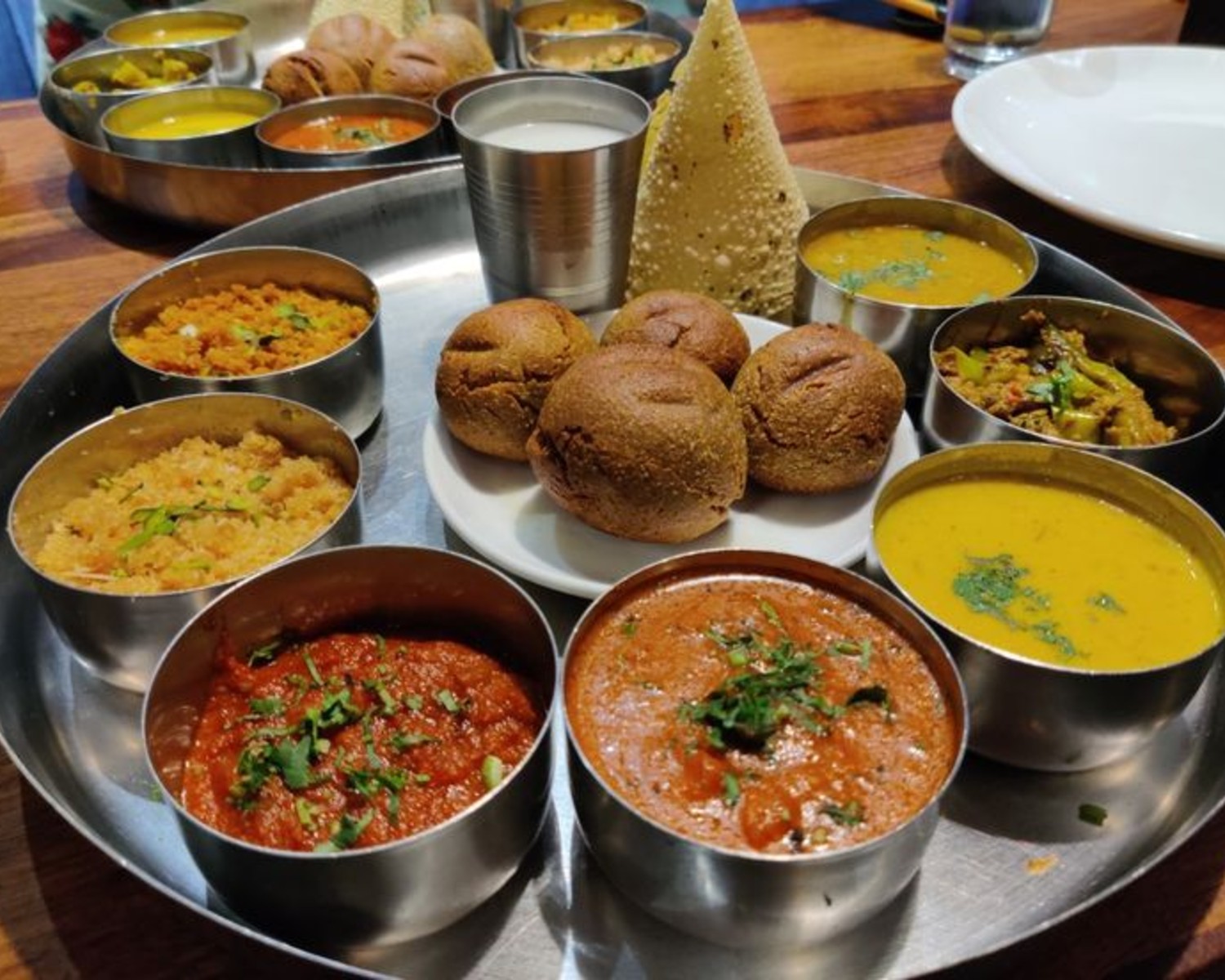
Dal Baati Churma – Quintessential Rajasthani Trinity
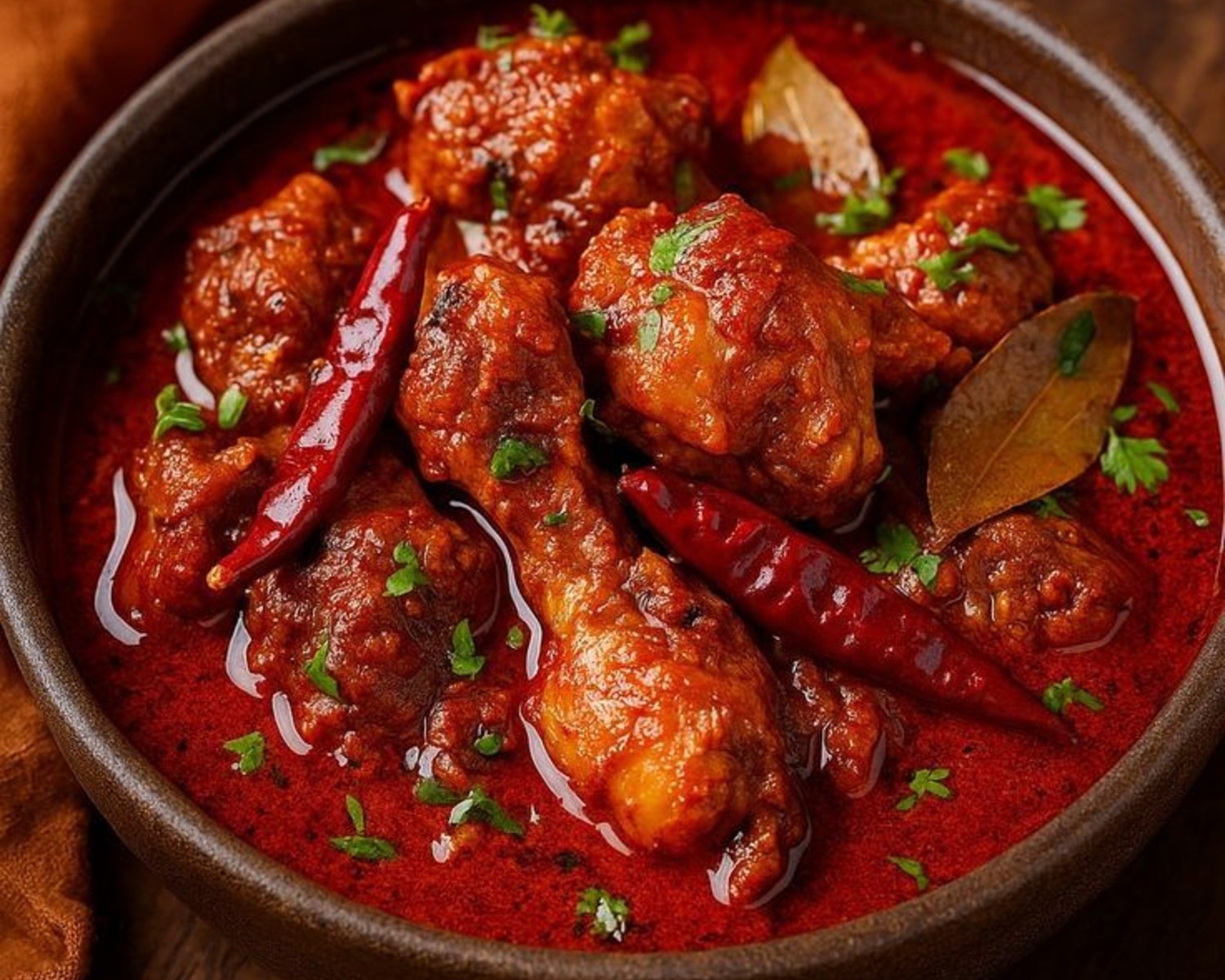
Laal Maas – Fiery Rajasthani Red Meat Curry
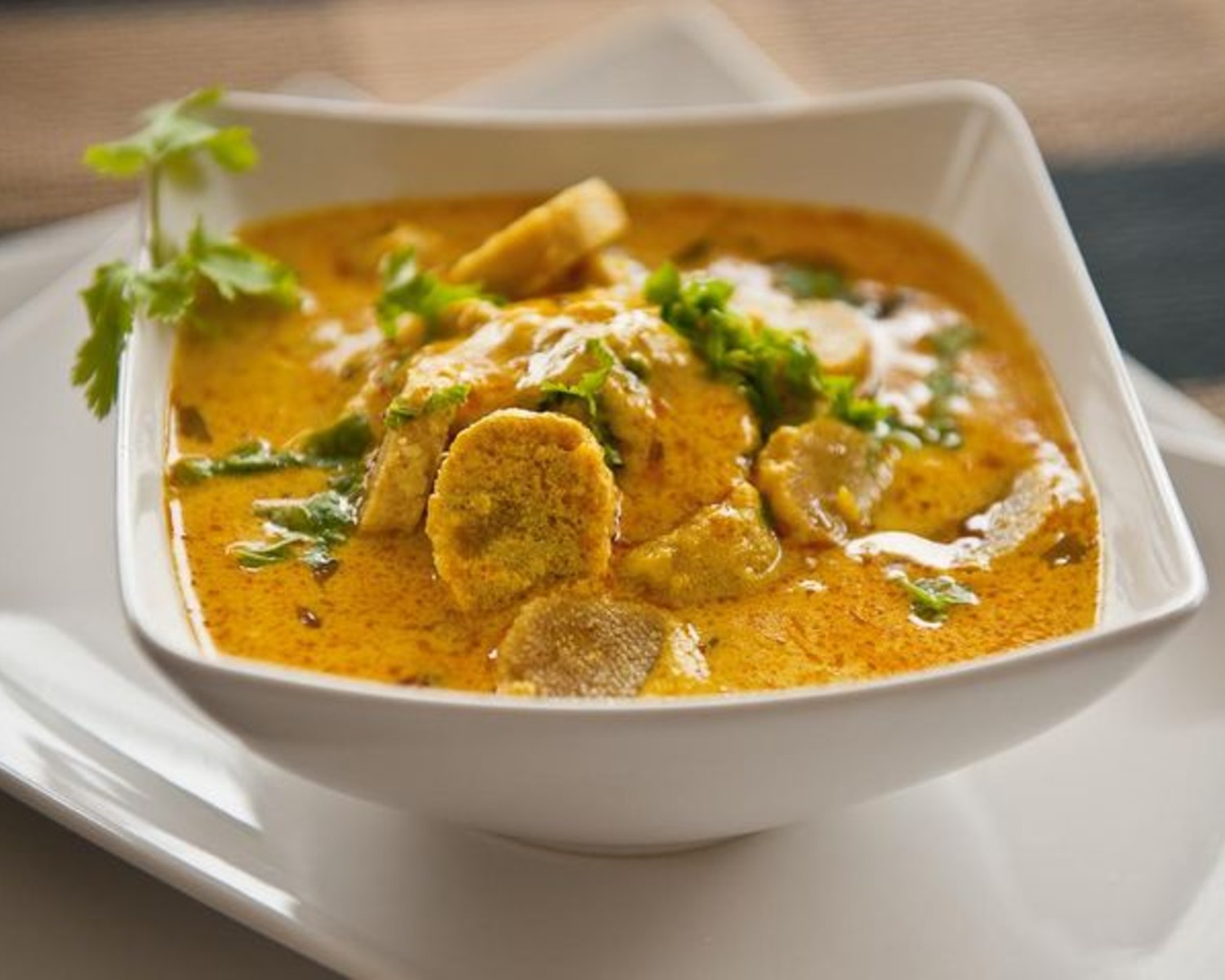
Gatte Ki Subzi – Gram Flour Dumpling Curry
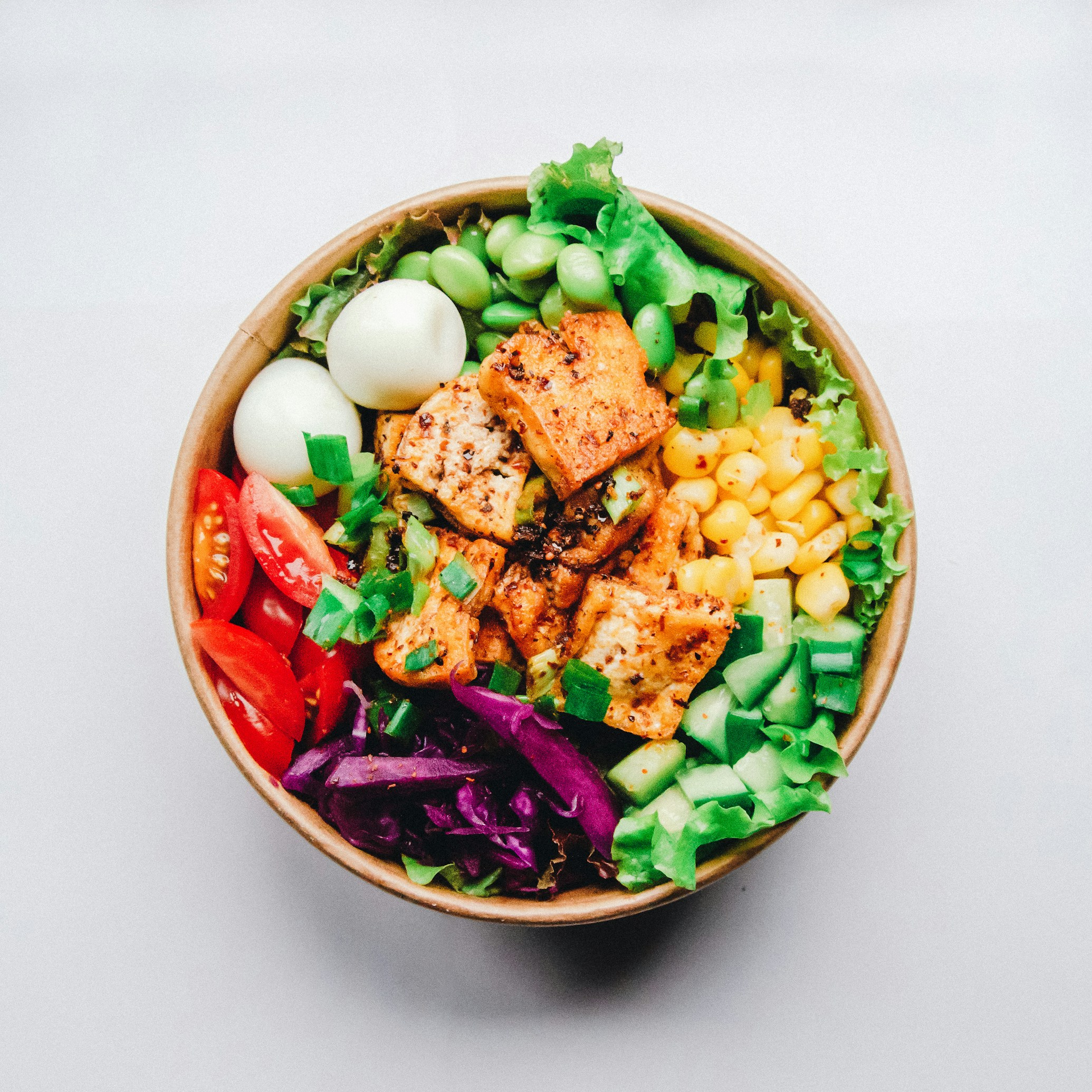
Ker Sangri – Desert Vegetable Delicacy

Bajra Roti – Pearl Millet Bread

Mirch Vada – Spicy Green Chili Fritters

Mohan Mahal – Royal Cream Dessert
Where to Eat
Restaurants (Behtar Khane)
Traditional, modern settings full meals. ₹300–1,500 per person tourist-oriented. Jaipur, Jodhpur, Udaipur concentrate establishments.
Dhabas (Highway Eateries)
Roadside casual restaurants serving hearty home-cooked cuisine. ₹150–400 budget-friendly authentic experience. Often family-run; social gathering spaces.
Street Food Stalls
Bazaar food vendors: mirch vada, gatte, kebab, chaats. ₹20–100 safe delicious. Breakfast samosas, kachoris ₹10–30. Lunch momos, frankie wraps ₹30–60.
Heritage Havelis/Palace Dining
Converted maharaja mansions serving royal Rajasthani cuisine. ₹500–2,000 atmosphere-premium. Jaipur, Jodhpur, Udaipur locations.
Dining Etiquette
- •Meals social events; rushing disrespectful
- •Rice/bread sacred—never waste, place upside, step
- •Right hand eating (left unclean traditional belief)
- •Compliment cook generously; culinary pride significant
- •Finish plate showing appreciation
- •Communal dining: shared plates family/group
- •Accept multiple servings; refusal signals discontent
- •Most restaurants open 12 PM–11 PM; cafes 7 AM–10 PM
- •Alcohol available breweries, restaurants; discouraged conservative areas
Signature Drinks
Shop & Bring Home
Rajasthan shopping legendary: traditional handicrafts (textiles, jewelry, pottery), spices, marble crafts, leather goods, ethnic clothing dominate. Ancient bazaars (Jaipur, Jodhpur, Pushkar) blend commerce, culture, history. Modern malls emerging cities provide contemporary shopping; fixed prices contrast traditional bargaining. Rajasthan renowned worldwide handicrafts authenticity, quality, competitive pricing.
Textiles & Fabrics
- Bandhani (tie-dye) fabrics, dupattas
- Block-printed cotton, silk
- Embroidered lehengas, sarees
- Rajasthani juttis (leather shoes)
- Woolen shawls (winter)
Jewelry & Metalwork
- Kundan jewelry (gold-gemstone inlay)
- Meenakari (enamel work) pieces
- Silver ornaments
- Lac bangles (women's bracelets)
- Brass, copper vessels
Pottery & Stone Crafts
- Blue pottery (ceramic tableware, decorative)
- Marble handicrafts (inlay work)
- Terracotta figurines
- Sandstone sculptures
- Hand-painted earthenware
Spices & Flavors
- Cumin, coriander, turmeric
- Mathania red chilies
- Saffron (luxury)
- Local sweets (Ghewar, Mohan Mahal)
- Dried fruits, nuts
Where to Shop (Local Hubs)
Johari Bazaar (Jaipur)
Jewelry & Souvenirs – Heritage Heart
"Historic bazaar near Hawa Mahal: Kundan, meenakari jewelry shops dominant; textile stalls, souvenir vendors. Narrow lanes navigating cultural experience. Bargain aggressively; 30–50% reductions negotiable. Crowded peak hours (eve); morning shopping ideal. Cash essential; many vendors card-resistant."
Bapu Bazaar (Jaipur)
Textiles & Ethnic Wear – Street Shopping Quintessence
"Pink City fabric market: block-printed cottons, bandhani dupattas, embroidered lehengas, local juttis affordable. Street-level authenticity; young designers alongside heritage shops. Rajasthani ethnic wear headquarters. Photography-perfect pink-painted backdrop. Weekend crowds manageable midweek. Perfect budget shopping ₹200–2,000 per item."
Chandpole Bazaar (Jaipur)
Spices, Handicrafts & Local Goods
"Authentic market: spice shops grinding fresh masalas (saffron, cumin, coriander), tea sellers quality-tasting counters, snack vendors kachori-namkeen. Marble crafts, brass items, Rajasthani daily-use handicrafts. Local shopping hub; tourism secondary. Least-touristy bazaar authentic experience ₹50–1,000."
Tripolia Bazaar (Jaipur)
Lac Bangles & Metalware – Artisan Supply Chain
"Functional market: lac bangles (pre-wedding shopping peak seasons), brass/copper vessels (restaurants bulk-buy), iron tools, puja items. Vendors quote weights; wholesale pricing bulk purchases. Authentic wholesale market; tourist shops minimal. Expert artisans hand-finishing brass—craftsmanship visible ₹50–5,000."
Kishanpole Bazaar (Jaipur)
Wooden Crafts & Local Textiles
"Wood-carving heritage: intricately carved boxes, furniture, decorative items. Textile dyed fabrics, souvenirs affordable. Less-crowded alternative major bazaars. Bargaining expected; friendly vendors. Photography-friendly narrow lanes ₹100–3,000."
Nehru Bazaar (Jaipur)
Textiles, Handicrafts & Gifts
"Curated textile collection: embroidered juttis, bandhani stoles, printed fabrics. Blue pottery, ready-made garments, leather bags, perfumes. Gift market positioning; tourist-friendly. MI Road location modern accessibility; fixed-price premium shops + bargain-friendly stalls."
Modern Malls (Jaipur)
Contemporary Shopping – International Brands & Food Courts
"Ganjlik Mall, Jaipur City Mall: international brands (H&M, Forever 21, Nike), Indian designers, food courts, multiplexes. Air-conditioned comfort; fixed prices; no bargaining. Modern dining, entertainment options integrated. Premium pricing; budget-conscious prefer bazaars."
On the Move
Jaipur Airport
JAI
12km south; 20-30min to center
Rail Network
Major Routes
Delhi-Jaipur, Jaipur-Jodhpur, Udaipur connections
Highways
National Highways
NH-8 Delhi-Mumbai, NH-27 Golden Triangle routes
Airport Arrival
Jaipur International Airport (JAI): primary gateway, 12km south city center. Nearby airfields: Jodhpur (JDH), Udaipur (UDR), Kota (CTK). Delhi (IGT): 240km; 5-6hr drive alternative gateway.
Travel Tech
Travel Tips
Jaipur-Jodhpur-Udaipur golden triangle popular circuit; hire private driver/car 3–5 day trips ₹15,000–25,000 total.
Rajasthan highways well-maintained; road trip culture booming; scenic routes stunning photographic opportunities.
Palace on Wheels booking advance essential; luxury experience signature Rajasthan journey; international tourists frequent.
Download Ola/Uber advance; auto-rickshaw negotiations common skill—friendly engaging experience.
Highway stops (dhabas) authentic meal experiences; rest breaks essential long drives.
Driving night-time discouraged; unpredictable conditions, robbery risks; daytime preferred.
Bicycles, motorcycles rentals adventurous travelers; desert village exploration authentic experiences ₹300–800/day.
Intercity Travel
Trains
Extensive rail network: Jaipur-Delhi (2.5hrs), Jaipur-Jodhpur (5.5hrs), Udaipur-Jaipur (12hrs overnight). AC sleeper, chair car options. ₹400–2,000 depending class. Palace on Wheels: luxury train Rajasthan circuit (Delhi-Agra-Jaipur-Jaisalmer-Jodhpur-Udaipur-Agra-Delhi, 8 days), ₹150,000+. Reservation essential; IRCTC online booking.
Long-Distance Buses
Government (RSRTC) and private operators. Delhi-Jaipur (5hrs, ₹300–600); Jaipur-Jodhpur (6hrs, ₹400–800); extensive network. AC, non-AC, sleeper variants. Budget accommodation option; overnight journeys popular time-saving.
Shared Taxi (Sumo/Van)
7-seater vehicles; shared routes fixed departure/destination; ₹300–1,000 per person depending distance. Faster trains but crowded; frequent departures; informal booking.
Car Rental & Private Drivers
Self-drive options (international driving license required; left-hand driving); ₹2,000–5,000/day depending vehicle. Chauffeur-driven: ₹2,500–8,000/day; recommended safety, local knowledge. Hotels arrange bookings; negotiated multi-day rates available.
BakıKart
No unified card system; individual payment (cash/online) required each service.
Visa Entry
Entry Requirements – Indian Citizens Welcome, Foreigner Visa Mandatory
Rajasthan domestic tourism destination; entry hassle-free Indian citizens. Foreign tourists require Indian e-tourist visa (obtained online). No special Rajasthan-specific permits (unlike Lakshadweep). Protected Area Permit (PAP) theoretically required some regions, but rarely enforced; hotels handle registration. Indian citizens travel unrestricted across state; ID cards (Aadhaar, Voter ID) sufficient domestic flights.
Indian citizens: Simply book transport (flights, trains, buses); valid government ID sufficient.
Foreign tourists: Visit indianvisaonline.gov.in; apply e-Tourist Visa online.
Fill application with passport details, travel dates, accommodation info.
Upload scanned documents: passport biodata page, passport-size photo.
Pay visa fee (₹2,000–3,000 depending visa type).
Receive approval email within 3–5 business days.
Print/save e-visa; present airport immigration on arrival.
Hotel registration automatic process upon check-in (staff handle).
Registration
Penalty: Minimal enforcement; registration primarily administrative; failure unlikely fines.
Entry Requirements
- • Indian Citizens: Valid government photo ID (Aadhaar primary; Voter ID, Driving License secondary). Domestic flights require one of above.
- • Foreign Tourists: Valid passport (6+ months validity beyond stay); Indian e-Tourist Visa; return flight ticket; hotel booking confirmation; travel insurance (recommended).
- • Passport-sized color photo (digital scan foreigners).
- • Outbound flight/transport confirmation.
- • Proof funds sufficient stay; bank statements acceptable.