
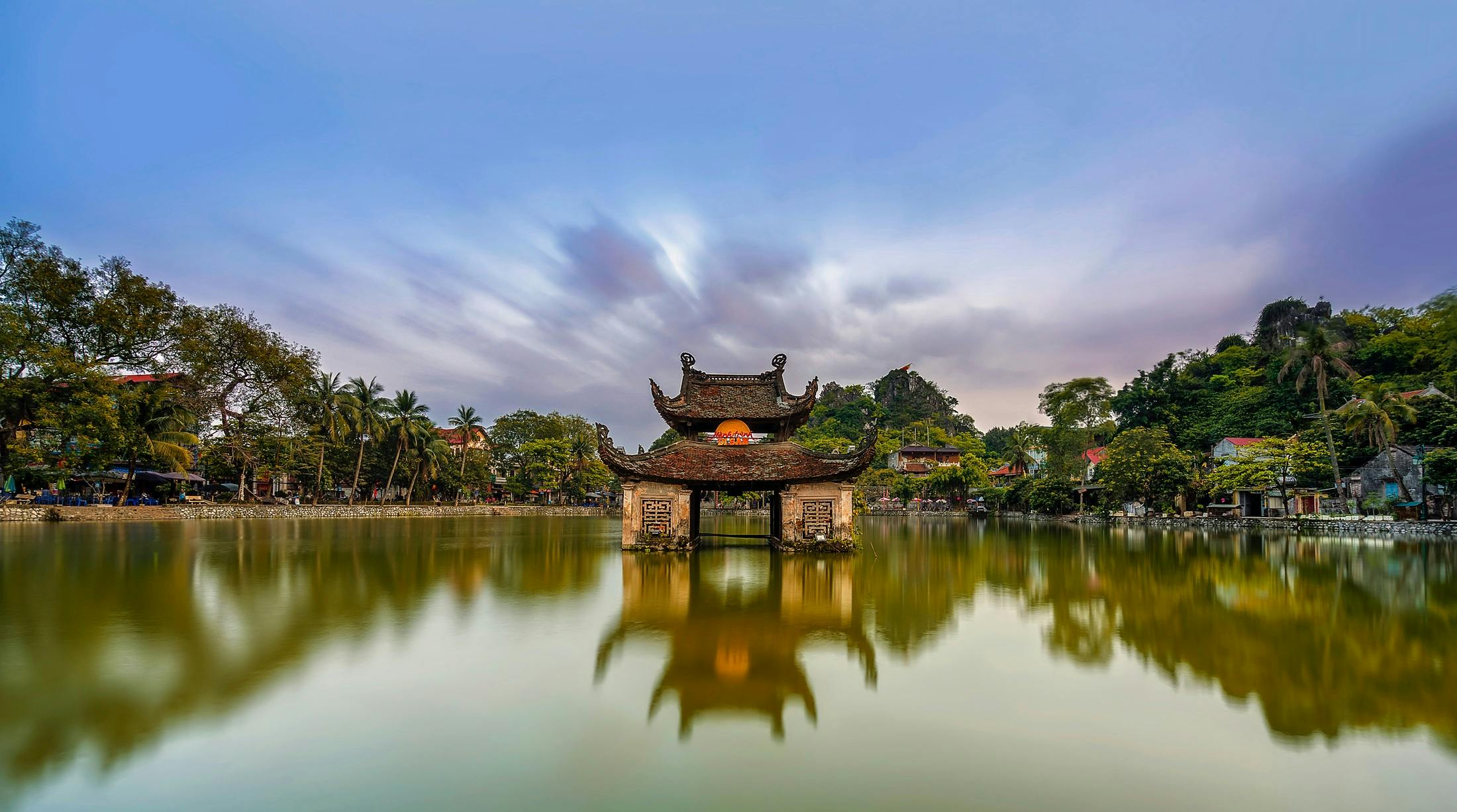
Vietnam
factsheet
From misty mountains and emerald waters to ancient temples and vibrant street food alleys, Vietnam enchants with 4,000 years of history, timeless traditions, and the warmth of its people.
The Essentials
Best Time
Oct - Apr (Dry Season)
Currency
Vietnamese Dong (₫)
Climate
Tropical to Subtropical
Time Zone
UTC+07:00
Language
Vietnamese
Visa
E-Visa (24h) or Sticker Visa
Capitals
Hanoi (Political) / Ho Chi Minh (Economic)
Population
99.5M
Calling Code
+84
Power Plug
Type A & C (110/220V)
Tipping Culture
Not mandatory; 5-10% appreciated in upscale restaurants
Emergency
113 (Police), 114 (Fire), 115 (Ambulance)
History & Heritage
4,000 Years of Resistance, Resilience & Renewal
Vietnam's history is an epic of resilience—from ancient kingdoms resisting Chinese rule for 1,000 years, to French colonization, Japanese occupation, and finally the Vietnam War. Each chapter left deep scars and profound lessons. Today's Vietnam is a nation reborn, honoring ancestors while embracing modernity with remarkable grace.
Ancient Kingdoms (2000 BCE - 938 CE)
Vietnam's earliest civilizations developed along the Red River Delta. The state of Nam Viet (South Viet) emerged as a thriving kingdom blending Austroasiatic and Chinese influences. For 1,000 years (111 BCE - 938 CE), Vietnam endured Chinese rule under the Han and later dynasties, yet maintained distinct cultural identity. Vietnamese independence movements simmered beneath the surface.
Independent Dynasties (938-1859)
The Ly Dynasty ended 1,000 years of Chinese rule in 938 CE, establishing Hanoi as capital and centralizing Vietnamese governance. The Tran Dynasty defeated Mongol invasions (1258, 1285, 1287)—among history's greatest military upsets. The Le Dynasty expanded Vietnam southward (Nam Vu). The Nguyen Dynasty reunited fractured Vietnam under Emperor Gia Long (1802), constructing the imperial capital in Hue. Vietnamese culture flourished: Confucian scholarship, Buddhist temples, rice cultivation, fish sauce traditions.
French Colonization (1859-1954)
France invaded in 1858, conquered southern Vietnam by 1862, and established French Indochina (Vietnam, Laos, Cambodia) by 1887. Colonial rule extracted resources, imposed foreign education systems, and introduced Latin script (Quoc Ngu, replacing Chinese characters). Vietnamese nationalism surged: Ho Chi Minh (born Phan Boi Chau) formed the Viet Minh independence movement. Resistance grew despite French repression.
Japanese Occupation & Independence (1940-1945)
When France fell to Germany in 1940, Japan invaded Vietnam. The Viet Minh, led by Ho Chi Minh, fought both Japanese and French. On September 2, 1945, Ho Chi Minh declared Vietnamese independence in Hanoi's Ba Dinh Square, drawing 500,000 supporters. France refused to accept independence, sparking the Indochina War (1946-1954). Ho Chi Minh's forces defeated the French at Dien Bien Phu (1954).
Vietnam War & Reunification (1955-1975)
After France withdrew, Vietnam was divided at the 17th Parallel: North under Ho Chi Minh, South under Western-backed governments. The U.S. gradually escalated involvement, bombing campaigns killed millions of civilians, napalm destroyed crops, and Agent Orange poisoned land and DNA. On April 30, 1975, North Vietnamese forces entered Saigon. Vietnam was reunified under communism. The war killed 3+ million Vietnamese, 58,000 Americans, and traumatized generations.
Modern Vietnam (1975-Present)
Post-war Vietnam faced devastation, sanctions, and a 'Boat People' refugee crisis. The 1986 Doi Moi (Renovation) economic reforms transformed Vietnam from state control to market socialism. Vietnam opened to foreign investment, tourism boomed, and poverty plummeted from 75% (1990) to 4% (2023). Today, Vietnam is a global manufacturing hub, EU trade partner, and Southeast Asia's fastest-growing economy. Vietnamese diaspora connects homeland to world. The nation reconciles war scars while building a prosperous future.
Spotlight: Ho Chi Minh Mausoleum: Monument to Resilience
Located in Hanoi's Ba Dinh Square, the Ho Chi Minh Mausoleum is a white granite structure housing the preserved body of Ho Chi Minh (Uncle Ho), beloved founder of modern Vietnam. Despite Ho's request for cremation, the government chose mausoleum burial to honor his legacy. Millions of Vietnamese pilgrims visit annually, paying respects to the man who unified the nation and declared independence. The mausoleum represents Vietnam's pride in overcoming colonial rule and honoring revolutionary sacrifice.
Independence
Sep 2, 1945
Ho Chi Minh declares independence from France
Reunification
Apr 30, 1975
Fall of Saigon; Vietnam unified under communism
Doi Moi Reforms
1986
Economic liberalization; Vietnam opens to world
UNESCO Sites
8 Sites
Ha Long Bay, Hoi An, Hue, Phong Nha, Complex of Hue Monuments
Climate & Time
Time Zone
Standard
UTC+7 (Indochina Time / ICT)
Difference
1.5 hours behind IST (India Standard Time)
🎯 Best Months
October, November, March, April (Dry season, mild temperatures)
Climate
The climate in Vietnam varies significantly by region, offering a diverse range of weather conditions from coastal areas to mountain peaks.
Dry/Winter Season
Oct – Apr
15–25°C (North), 24–28°C (South)
BEST SEASON. Clear skies, low humidity, perfect for sightseeing. North cooler (Sapa: 8–15°C). Ha Long Bay cruises ideal. Hoi An lantern festivals. Mekong Delta serene. Rice planting/harvesting. Peak tourist season.
Rainy/Summer Season
May – Sep
25–35°C (North), 27–32°C (South)
Hot, humid, heavy rainfall (especially Jun-Aug). Typhoons possible (central coast Sep-Oct). Fewer tourists, lower prices. Northern Vietnam more bearable than the south. Lush green landscapes. Beach swimming still possible (short bursts between rain).
Seasonal Packing List
Language Guide
Official Language
Vietnamese (Tiếng Việt)
Vietnamese is an Austroasiatic language with 95+ million speakers. It's a tonal language—meaning pitch changes meaning (e.g., 'ma' can mean ghost, mother, rice, tomb, or horse depending on tone). This complexity makes Vietnamese challenging for learners but integral to its musical beauty. English is growing among youth and tourism sector. Older generations speak French or Russian. 54 ethnic minorities speak distinct languages (Hmong, Tay, Nung, etc.).
Local Signage
Essential Phrases
Hello
Xin chào
Thank you
Cảm ơn
Goodbye
Tạm biệt
Yes / No
Vâng / Không
Please
Vui lòng
Excuse me
Xin lỗi
How much?
Bao nhiêu tiền?
Where is...?
...ở đâu?
Currency & Money
Official Currency
Vietnamese Dong
₫ (VND)
Exchange Rates
Culture & Vibes
Entrepreneurial, Youthful, Respectful of Elders
"Vietnamese culture is a delicate balance of Confucian respect for hierarchy and tradition, Buddhist philosophy of harmony, and modern entrepreneurial energy. The nation's 54 ethnic groups—Kinh (majority), Tay, Hmong, Nung, Muong, and others—coexist peacefully, each contributing distinct traditions. Generational divides are narrow: youth embrace global culture while honoring ancestors. Resilience permeates every aspect: the Vietnamese built prosperous lives from war's ashes, showing remarkable grace to former enemies, and embrace visitors warmly."
Essential Dos
- • Greet with a slight bow or wai (hand gesture with palms together at chest); shows respect.
- • Remove shoes when entering homes, temples, shrines—essential. Socks recommended.
- • Show respect to elders: allow them to enter doorways first, stand when they enter rooms, offer seats.
- • Accept tea, food, and gifts graciously; refusing is insulting. Try at least a small portion.
- • Use chopsticks respectfully: never stick upright in rice (resembles funeral incense).
- • Ask permission before photographing people, especially in rural/ethnic areas and temples.
- • Negotiate prices at markets with friendliness—it's cultural tradition, not rudeness.
- • Learn basic Vietnamese phrases; locals deeply appreciate visitors' effort to speak their language.
- • Show gratitude: use 'Cảm ơn' (thank you) frequently, clasping hands together shows extra respect.
Essential Don'ts
- • Don't point your feet at people or Buddha statues; feet considered lowest, most disrespectful body part.
- • Don't disrespect Ho Chi Minh or national symbols; deeply sacred to Vietnamese identity.
- • Don't be loud, aggressive, or overly affectionate in public—Vietnamese culture values restraint.
- • Don't discuss the Vietnam War negatively or take sides; Vietnamese prefer reconciliation over blame.
- • Don't touch people's heads (sacred in Buddhist culture) or pass items over heads.
- • Don't give gifts that are clocks (symbolize death), knives, or handkerchiefs (associated with tears).
- • Don't refuse chopsticks, tea, or invitations to dine—very insulting to hospitality.
- • Don't litter or disrespect temples, shrines, or sacred sites; Vietnam rebuilt these after war.
- • Don't swim in lakes/rivers without permission (may have cultural significance).
Specific Etiquette
Gifting Etiquette
Avoid clocks (death), knives, white flowers, or yellow flowers. Wrap beautifully. Gifts given/received with both hands. Don't open gifts immediately in front of giver (considered rude).
Business Etiquette
Business cards exchanged formally, received with both hands. Meetings begin with tea. Titles respected. Punctuality valued in modern Vietnam but rural areas more relaxed.
Dining Etiquette
Shared dishes placed table center—reach respectfully with right hand, use communal spoon if available. Avoid taking best pieces. Elders/guests served first. Use chopsticks, not fingers (except sticky rice). Soup sipped from bowl or spoon. Never stick chopsticks upright in rice. Finish most food on plate shows appreciation.
Vietnamese Cuisine - Balance of Five Tastes, Soul of Nation
Vietnamese cuisine ranks among world's finest, balancing five fundamental tastes: sweet, sour, salty, bitter, umami. Street food culture is heart of Vietnam—where locals eat, tourists must follow. Food tells Vietnam's story: Chinese influence (rice), French legacy (banh mi), Indigenous flavors (fish sauce), Southeast Asian roots (coconut milk). Meals are communal, emphasizing togetherness. Every dish reflects philosophy: harmony, balance, respect for ingredients.
Where to Eat
Street Stalls & Carts
Soul of Vietnam. Vendors specialize in one dish (pho, banh mi, banh bao). ₫20,000–60,000. Eat standing at plastic stools. Safest, most authentic, cheapest. High turnover = fresh.
Pho Restaurants (Nhà Hàng Phở)
Dedicated to single bowls of pho. ₫40,000–100,000. Open early (breakfast), close late afternoon. Generations-old recipes. Simple wooden tables.
Bún Chả & Cơm Tấm Restaurants
Family-run, lunch-focused. ₫60,000–150,000. Traditional dishes served on banana leaves or metal trays. No frills, maximum flavor.
Lokal Restaurants (Quán Ăn)
Small casual eateries with daily menu of home-cooked regional dishes. ₫80,000–200,000. Menus in Vietnamese. Point or ask locals for recommendations.
Contemporary Restaurants
Modern upscale places in Ho Chi Minh, Hanoi, Hoi An. ₫250,000–500,000+. Fusion cuisine, contemporary plating, international menus. Tipping appreciated.
Night Markets & Food Stalls
Hanoi's Hang Buom Street, Ho Chi Minh's Ben Thanh Market have food vendors. ₫50,000–150,000 per dish. Evening atmosphere, multiple cuisines.
Dining Etiquette
- •Meals communal: dishes shared from center table. Individual rice bowls; everything else shared.
- •Chopsticks: never stick upright in rice (funeral rite). Hold near ends. Don't tap on table or use to point.
- •Serve elders/guests first; wait for them to eat before beginning (sign of respect).
- •Use right hand for eating, passing food, or receiving (left hand historically considered impolite in Asia).
- •Soups sipped directly from bowl or spoon—completely normal and expected.
- •Leave chopsticks on plate or bowl, not standing upright (resembles funeral incense).
- •Initially decline offered food once (polite); accept on second offer (shows respect to generosity).
- •Finish most food—leaving clean plates shows appreciation. Leaving small portions acceptable.
- •Tipping optional: 5-10% appreciated in upscale restaurants but not mandatory.
- •Street food: eat where locals eat (safest, most authentic, cheapest). High turnover = fresh food.
Signature Drinks
Shop & Bring Home
Vietnam's shopping culture blends ancient merchant traditions with modern retail. Hanoi's Old Quarter bursts with artisanal shops (silk, lacquerware, water puppets). Hoi An's tailor shops churn out custom clothes in days. Modern malls in Ho Chi Minh City offer international brands. Markets overflow with spices, coffee, handicrafts. Haggling is cultural tradition—not aggressive, but friendly negotiation.
Lacquerware & Ceramics
- Lacquered bowls/vases (Hanoia brand famous)
- Ceramic dishes & plates
- Decorative wooden panels
- Traditional pottery
Silk & Textiles
- Silk scarves & fabric
- Ao Dai (traditional dress)
- Embroidered textiles
- Hand-woven fabrics
Coffee & Tea
- Vietnamese coffee (beans, ground)
- Specialty local brands
- Tea (green, oolong)
- Egg coffee souvenir packs
Handicrafts & Art
- Water puppets (carved wood)
- Hand-embroidered art
- Silk paintings
- Lacquer art
- Do paper works
Souvenirs & Gifts
- Conical hats (Non la)
- Bamboo products
- Painted masks
- Jade figurines
- Vietnam-themed magnets
Where to Shop (Local Hubs)
On the Move
Airport Arrival
International airports: Noi Bai (Hanoi), Tan Son Nhat (Ho Chi Minh City), Da Nang. Direct flights from India to multiple cities (Delhi, Mumbai, Bangalore to Hanoi/Ho Chi Minh/Da Nang). Journey to city center: 30-45 min by taxi/bus.
Travel Tech
Travel Tips
Download Grab app before arrival (difficult to install in Vietnam); essential for safe taxis.
Google Maps works offline—download maps before traveling.
Sleeper buses: bring neck pillow, earplugs, light blanket (buses cold).
Trains social: meet locals, watch countryside, romantic journey. Slower but memorable.
Flight prices spike around holidays—book early. Check multiple airlines.
Bus stations confusing; use hotel staff or travel agents for bookings.
Traffic chaotic: motorbikes > cars > buses > pedestrians in priority. Cross streets confidently, don't hesitate.
Fuel/petrol affordable (₫20,000–25,000/liter) if renting motorbike.
Intercity Travel
Sleeper buses (Hangman, Futa) popular for long routes. Hanoi-Ho Chi Minh (30h), Hanoi-Da Nang (15h). ₫400,000–1,200,000 depending on comfort/distance. Book online via 12go.asia.
Vietnam Railways operates scenic routes. Hanoi-Ho Chi Minh (30h), Hanoi-Da Nang (15h), Hue-Da Nang (2.5h). ₫600,000–2,000,000 depending on class. Book via railway.vn or 12go.
Budget airlines (Vietjet, Bamboo Airways) offer cheap flights. Hanoi-Da Nang (1h), Da Nang-Ho Chi Minh (1h), Hanoi-Ho Chi Minh (2h). ₫800,000–2,500,000. Book via airline websites or Skyscanner.
Hotels can arrange private drivers for regional tours. ₫1,500,000–2,500,000 per day (4-5 person car). Best for rural areas, Ha Long Bay, Mekong Delta.
Visa Entry
Easy E-Visa & Sticker Visa Options for Indians
Indian citizens can obtain a Vietnam visa quickly via E-Visa (3-7 working days standard or 4-8 hours urgent; no fixed 24-hour option) or a pre-approval Visa Letter for Visa on Arrival (1-3 days via agents/embassy). Both support 30-90 day stays, reflecting Vietnam's simplified tourism policies.
Registration
Penalty: Overstaying can result in fines (₫3,000,000-6,000,000), deportation, or entry bans.
Entry Requirements
- • Valid passport (minimum 6 months validity beyond intended departure date)
- • Passport biodata page (scanned for e-visa, photocopy for sticker visa)
- • Passport-size color photo (4x6cm, white background, recent—for both types)
- • Hotel booking confirmation (entire stay) or travel itinerary
- • Return flight ticket or onward flight confirmation
- • Bank statements (last 3-6 months showing sufficient funds; min ₹100,000 recommended)
- • Employment letter (if employed) or business registration (if self-employed)
- • Travel insurance (medical, evacuation, ₹10,000+ coverage recommended)
- • Proof of accommodation address in India (utility bill, rental agreement, ID proof)